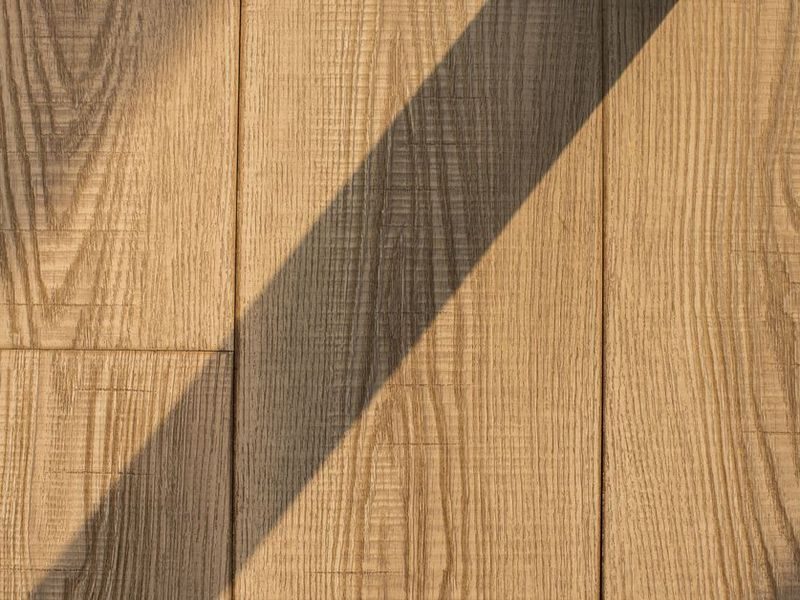
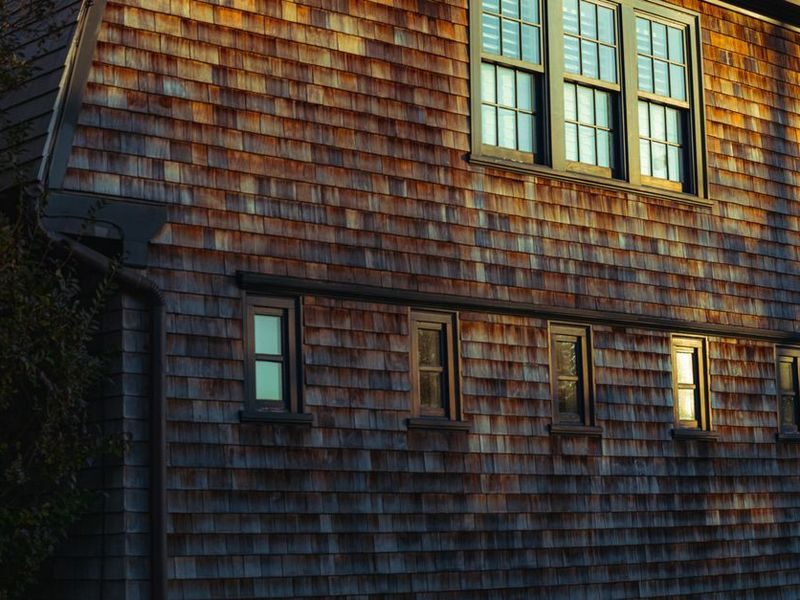
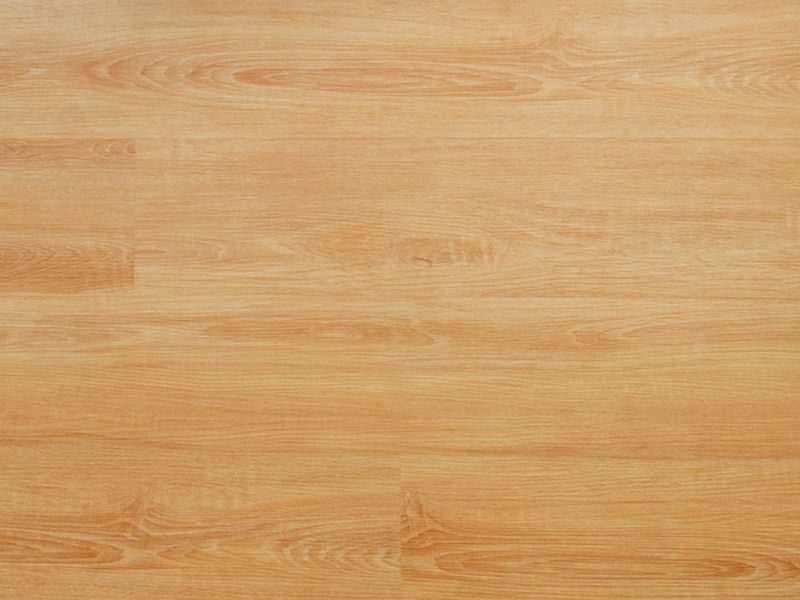
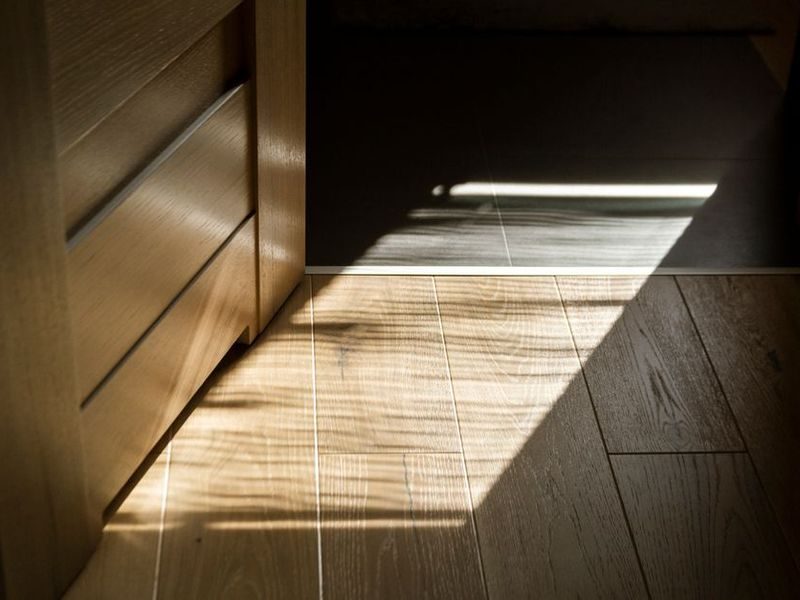
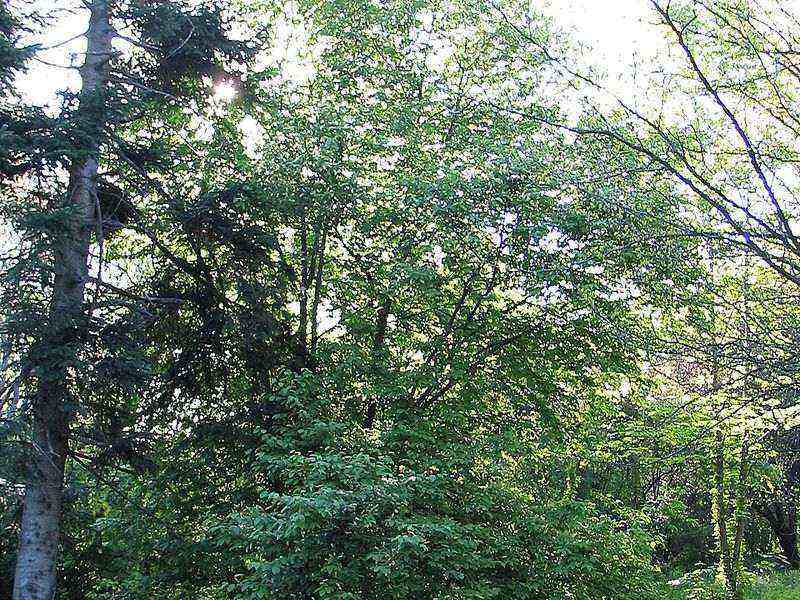
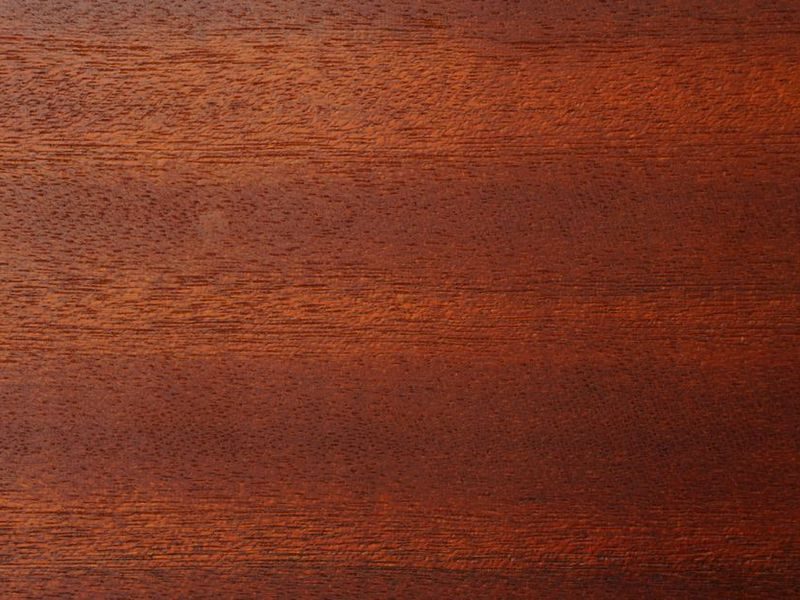
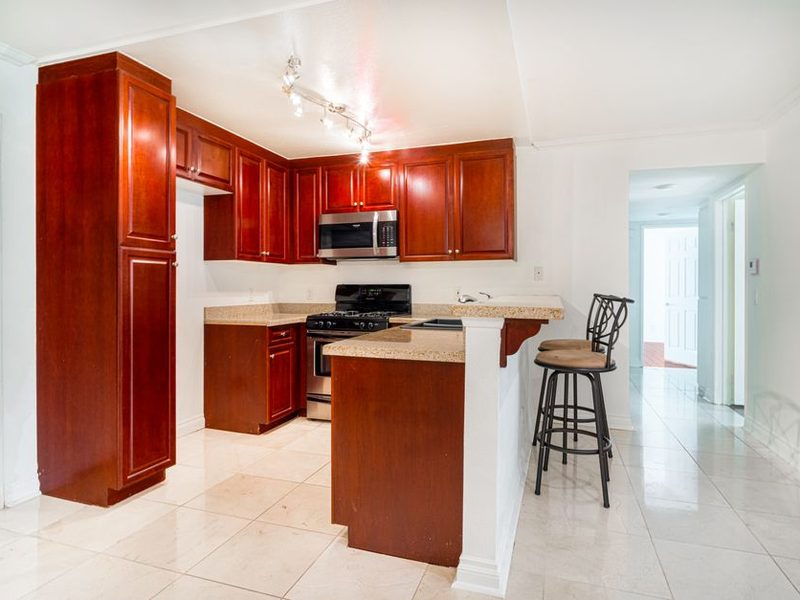
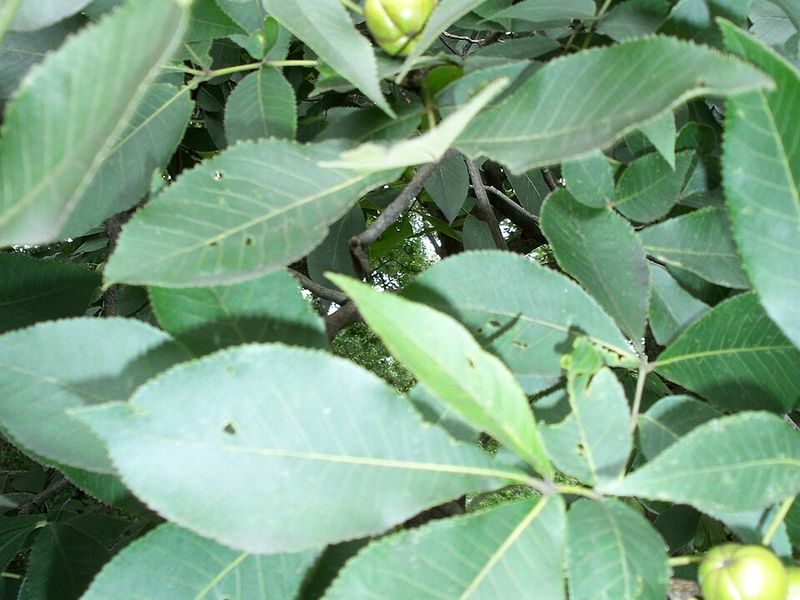
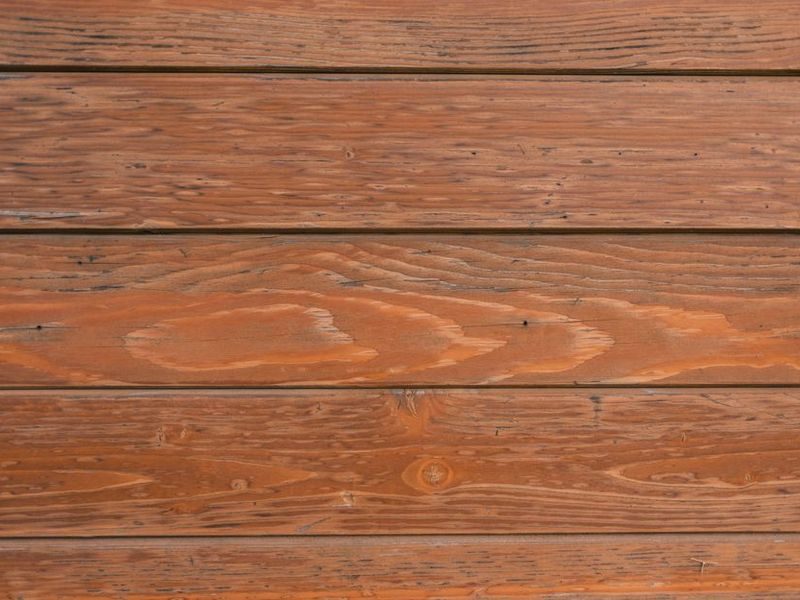
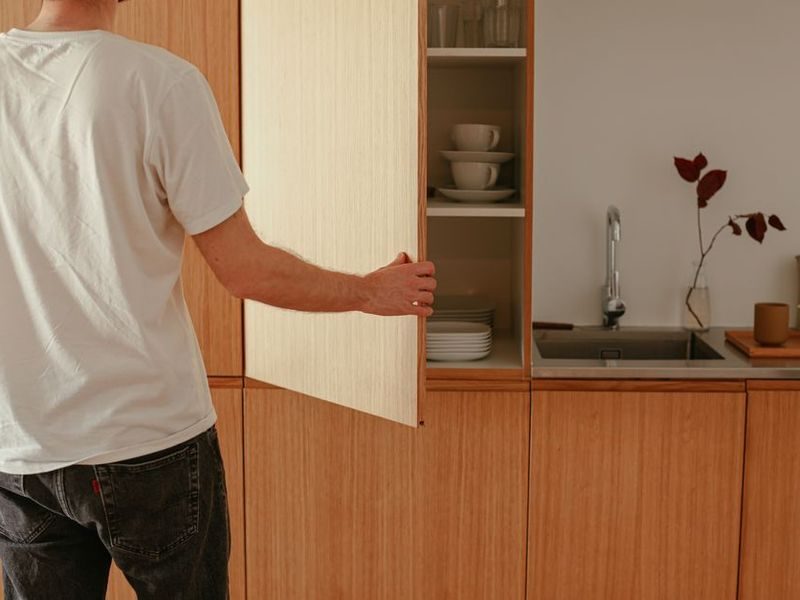
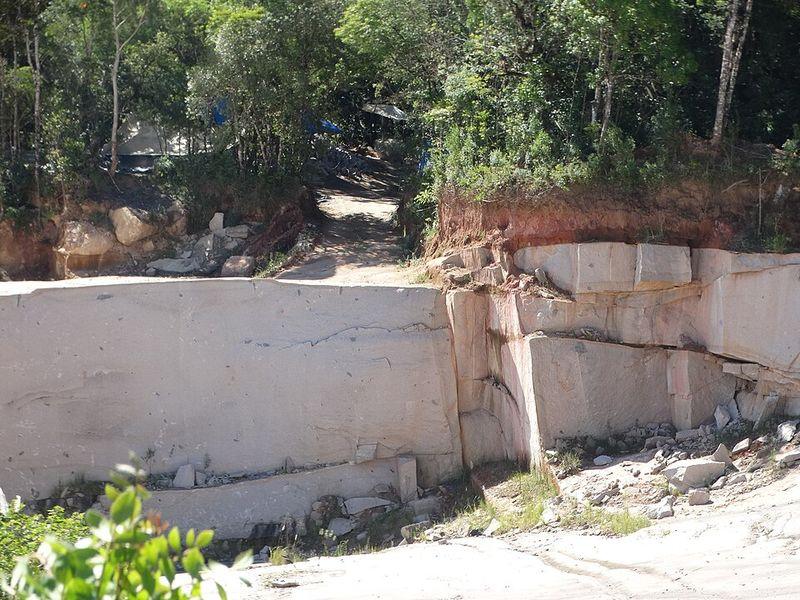
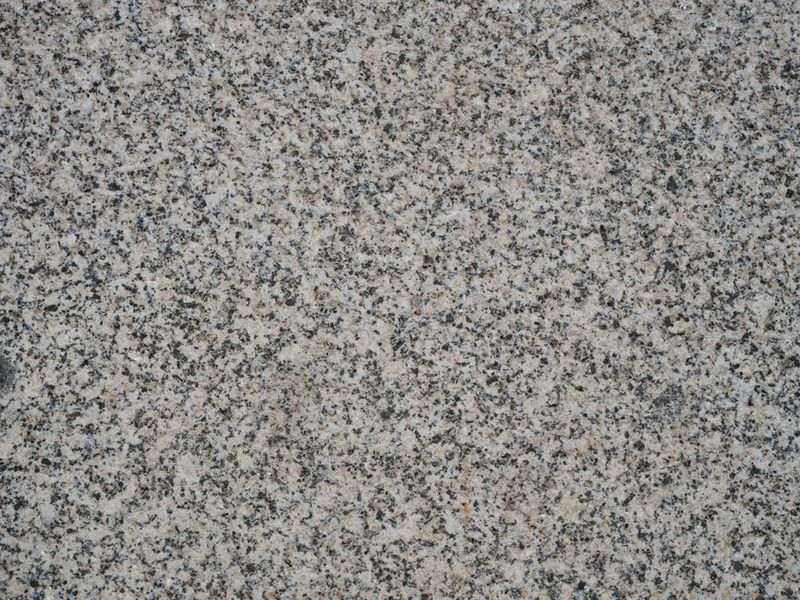
A residential designer's reference to the materials of the American home — the woods you build and furnish with, the stones you live on, and the engineered surfaces beside them. 48 materials, each shown as it looks in the wild, milled, and in use, then described the way it actually behaves: in plain language, and in the numbers.
48 materials33 woods15 stones & surfacesTap any tile for the full profile
No materials match that filter.
01
Wood
Softwoods build · hardwoods furnish · 33 species
Softwoods (conifers) are lighter and dominate framing, siding, and trim; hardwoods (broadleaf trees) are denser and define flooring, cabinetry, and furniture. A few imports and renewables round out the palette. Hardness below is the Janka rating — the force to embed a steel ball — a good proxy for how easily a wood dents and scratches.
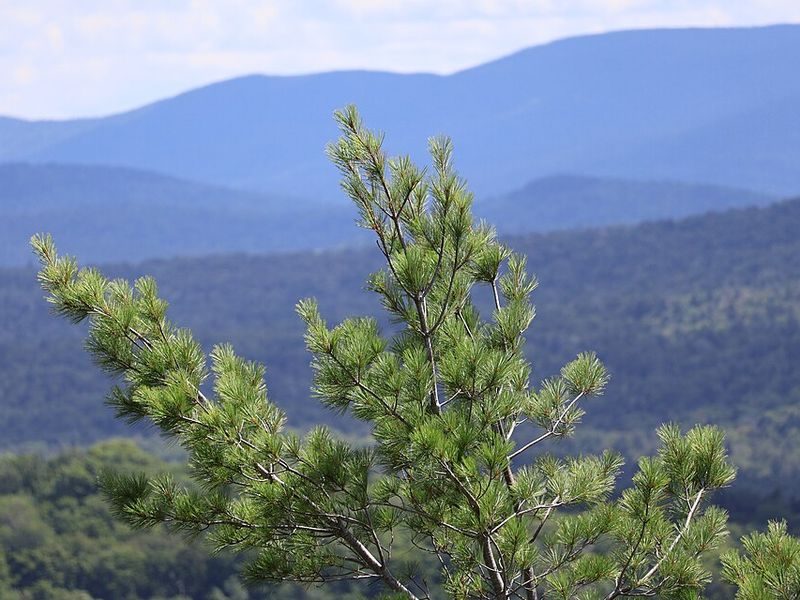
Eastern White Pine
Pinus strobus
SoftwoodTrim & millworkPaint-grade
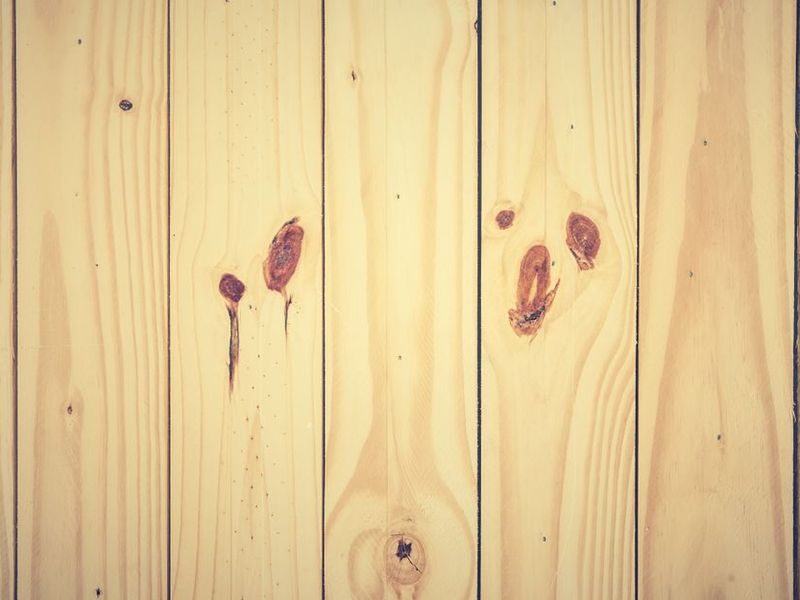
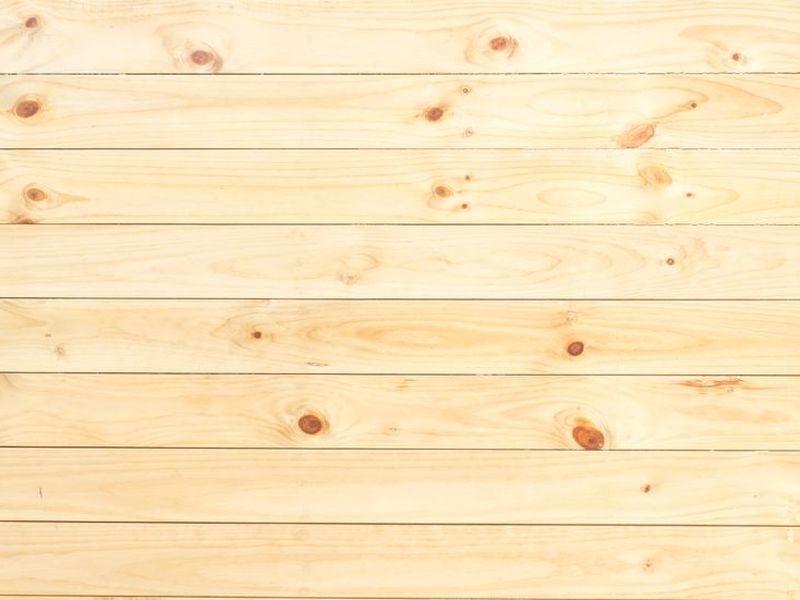
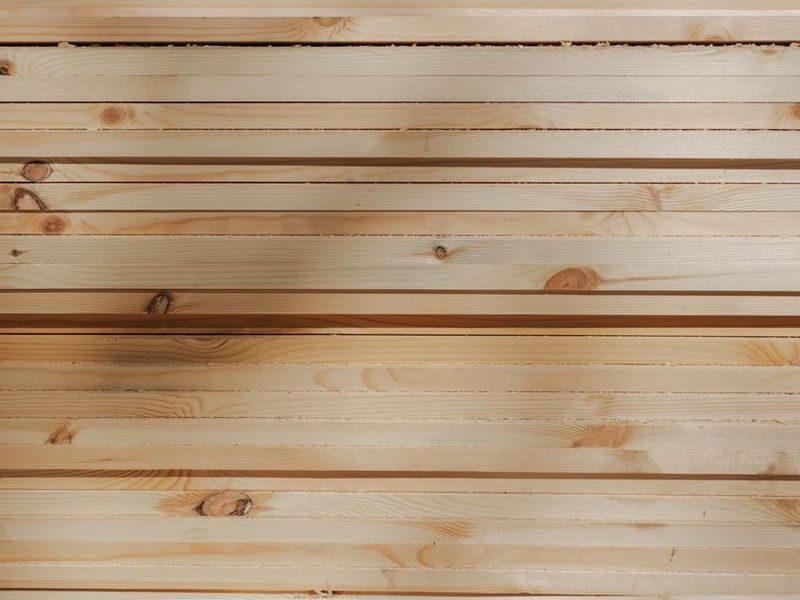
Soft, light, and forgiving — the classic American trim, paneling, and timber-frame wood. Easy to cut and nail by hand, but it dents and shows every knock. Paints beautifully; stain can blotch unless you condition it first.
Type
Softwood (conifer)
Janka
~380 lbf — very soft
Density
~25 lb/ft³
Durability
Low — not for outdoor use
Best for
Trim, paneling, shelving, paint-grade work
Technical notes
Low density and Janka but dimensionally stable; the dominant historic Northeast millwork and timber-frame species. Knotty character grades are common. Use a pre-stain conditioner or gel stain for even color.
Hardness & density: USDA FPL Wood Handbook — screening values; verify by grade and moisture content.
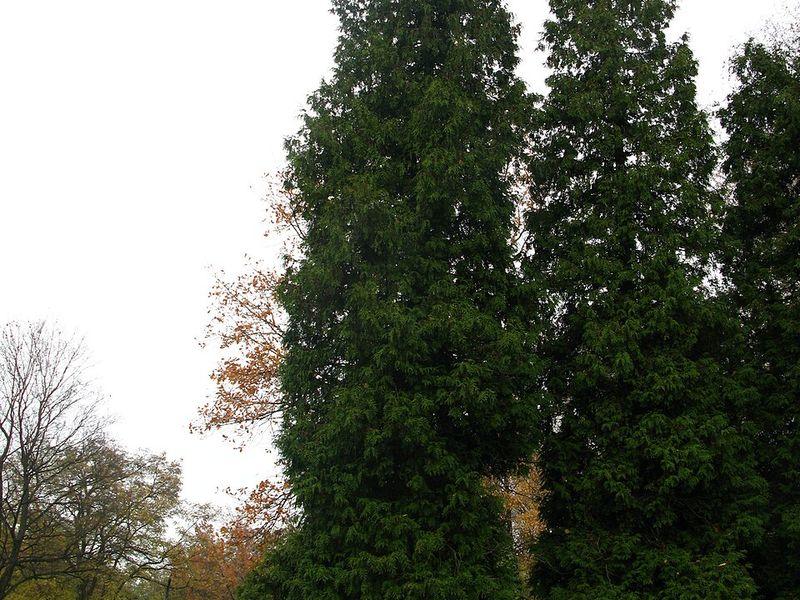
Western Red Cedar
Thuja plicata
SoftwoodExteriorSidingNaturally durable
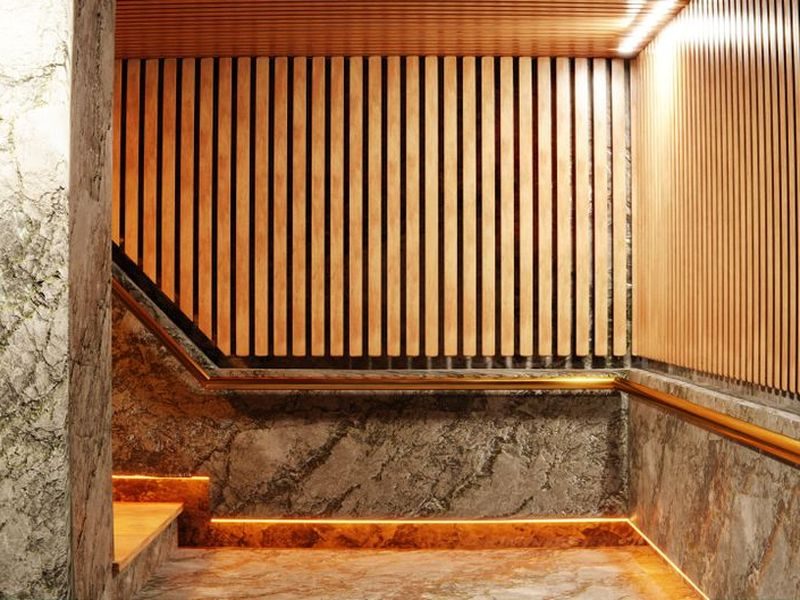
Lightweight, aromatic, and built for the outdoors. Left unfinished it weathers to a soft silver-grey; sealed, it keeps its warm red-brown. Naturally resists rot and insects, so it's the go-to for siding, soffits, and saunas — but it's soft and scratches.
Type
Softwood (conifer)
Janka
~350 lbf — very soft
Density
~23 lb/ft³ — very light
Durability
Durable — natural rot/insect resistance
Best for
Siding, soffits, decking trim, sauna
Technical notes
Thujaplicins give natural decay resistance; very low shrinkage means excellent dimensional stability for cladding. Acidic extractives corrode steel — use stainless or hot-dip-galvanized fasteners. Greys via UV; a UV-blocking finish slows it.
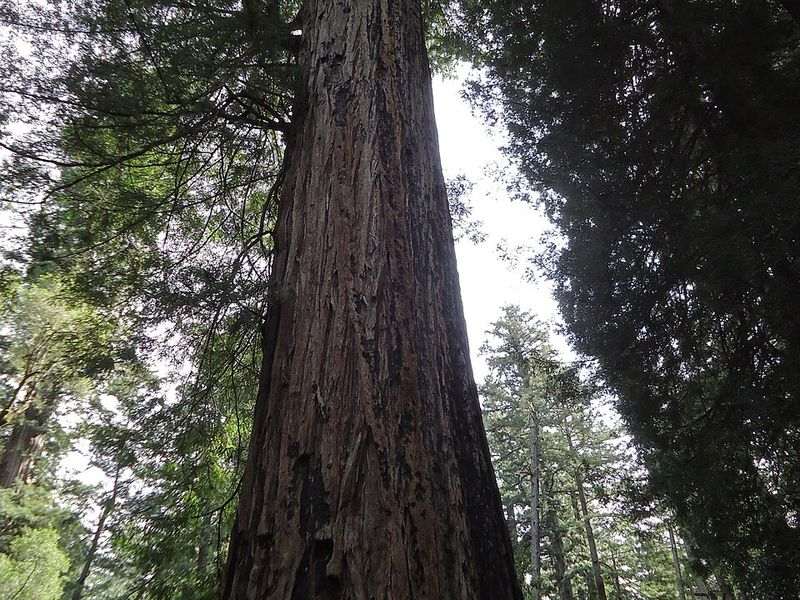
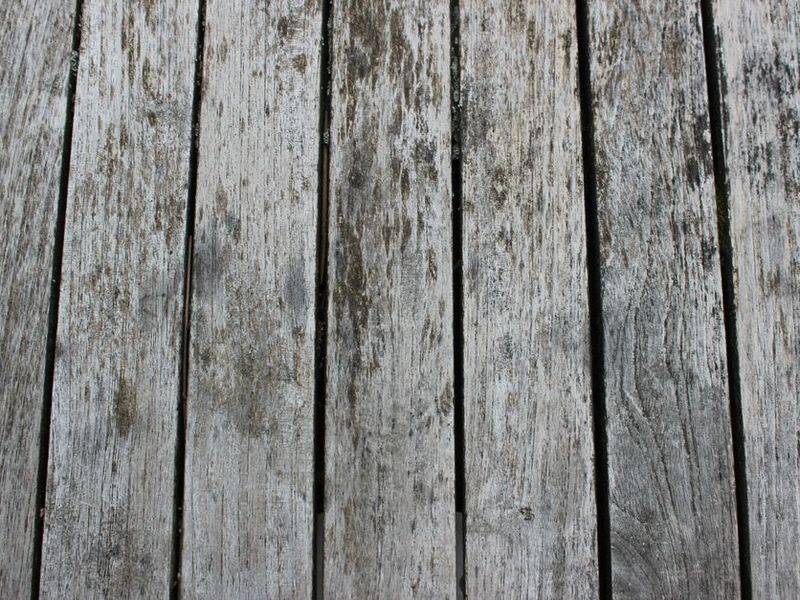
California's rot-resistant outdoor wood — straight-grained, stable, and naturally durable. Like cedar it greys gracefully outdoors and can be left unfinished. Soft enough to dent, prized for decks, siding, and outdoor structures.
Type
Softwood (conifer)
Janka
~450 lbf — soft
Density
~28 lb/ft³
Durability
Durable (old-growth heartwood); sapwood is not
Best for
Decking, siding, exterior trim, pergolas
Technical notes
Tannin-rich heartwood resists decay; low resin and low movement. Second-growth heartwood is less durable than legendary old-growth — specify heartwood ("all-heart") for ground or wet exposure.
Hardness, density & durability: USDA FPL Wood Handbook.
Douglas Fir
Pseudotsuga menziesii
SoftwoodStructuralTimber frame
The workhorse of West Coast framing — stiff, strong, and dependable. Harder than pine, with a warm orange tone that deepens over time. Excellent for exposed beams and timber framing; strong but not rot-proof outdoors.
Type
Softwood (conifer)
Janka
~620 lbf
Density
~32 lb/ft³
Durability
Moderate — finish for outdoor use
Best for
Framing, beams, timber frame, VG flooring
Technical notes
High stiffness-to-weight — one of the strongest structural softwoods (high MOE). Vertical-grain (quartersawn) Douglas fir is a premium flooring and joinery stock with a tight, even line. Can splinter; pre-drill near ends.
Strength, hardness & density: USDA FPL Wood Handbook; design values per NDS species tables.
Southern Yellow Pine
Pinus (loblolly / longleaf)
SoftwoodStructuralPressure-treats well
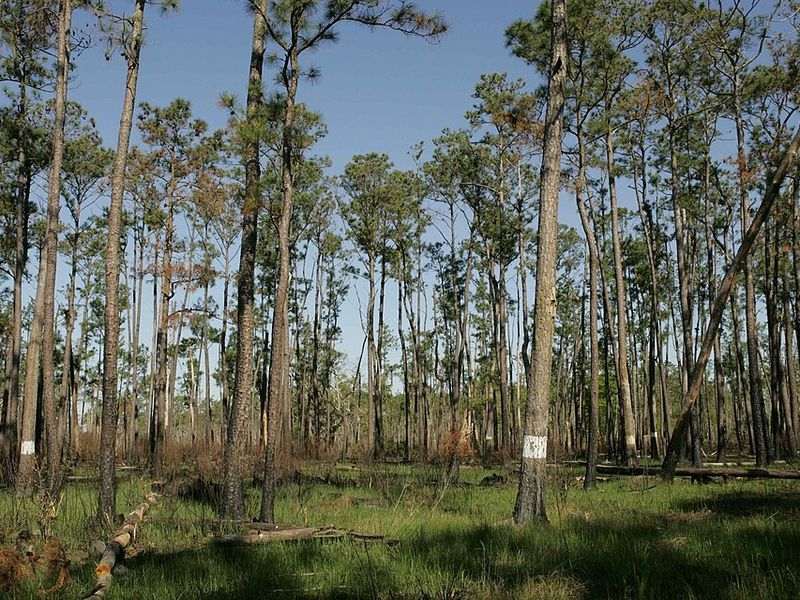
Dense, strong, and everywhere in the South — the most-used structural lumber in America. It takes pressure-treatment better than almost anything, which is why treated decks and ground-contact lumber are SYP. Resinous, and prone to twist as it dries.
Type
Softwood (conifer)
Janka
~690–870 lbf
Density
~36–41 lb/ft³ — dense for a softwood
Durability
Low untreated; excellent treatability
Best for
Framing, trusses, treated lumber, decking
Technical notes
Highest-density common US framing softwood; high strength and excellent preservative uptake thanks to permeable cell structure. Watch moisture-driven twist/checking — fasten promptly and detail for movement.
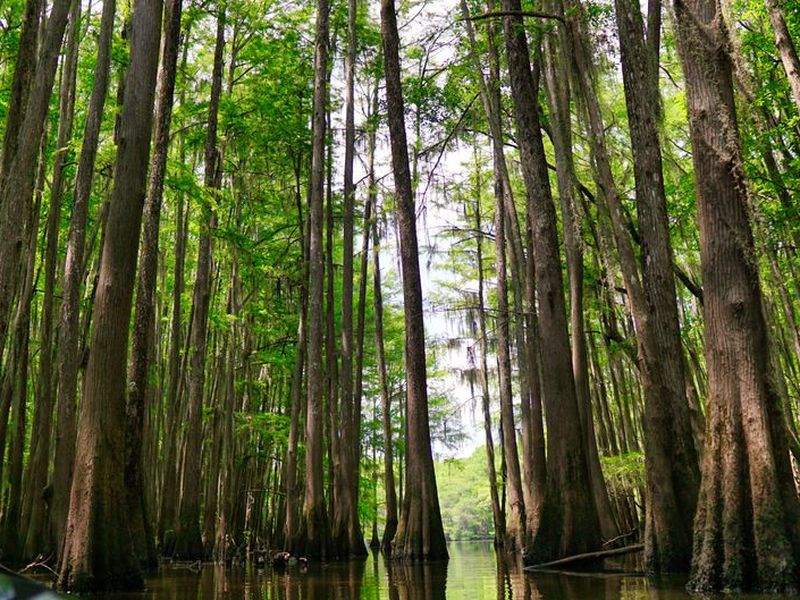
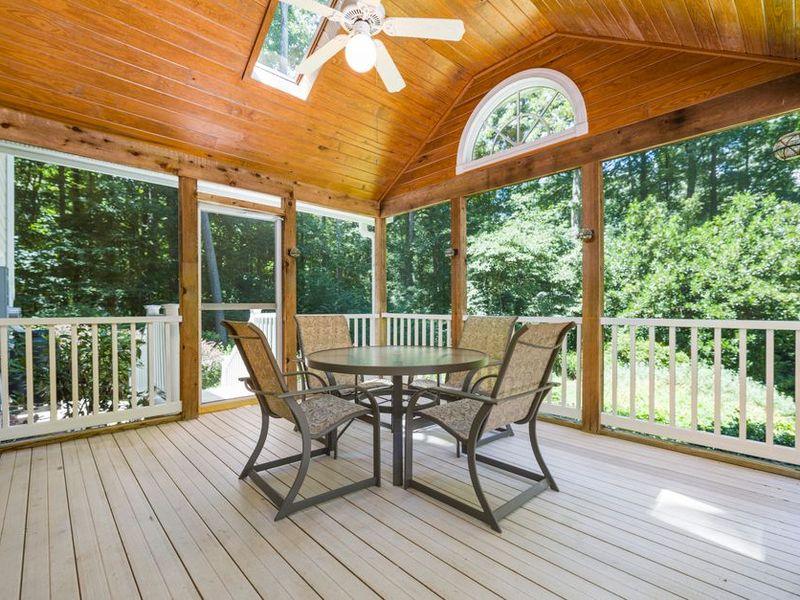
The South's answer to cedar — naturally rot-resistant heartwood once nicknamed "the wood eternal." A favorite for siding, porch ceilings, and trim in humid Gulf climates. New-growth lumber is less durable than the legendary old-growth.
Type
Softwood (deciduous conifer)
Janka
~510 lbf
Density
~32 lb/ft³
Durability
Durable (old-growth heartwood)
Best for
Siding, porch ceilings, trim, beams
Technical notes
Cypressene-bearing heartwood resists decay and insects; second-growth durability is markedly lower, so specify heartwood. Pecky cypress (fungal pockets) is a sought-after decorative grade.
Hardness, density & durability: USDA FPL Wood Handbook.
Spruce
Picea (Sitka, white, red)
SoftwoodStructuralCommodity SPF
Light, pale, and the "S" in commodity SPF framing lumber. Easy to work and nail; not durable outdoors. Sitka spruce's exceptional strength-to-weight made it a classic aircraft and guitar-soundboard wood.
Type
Softwood (conifer)
Janka
~510 lbf (Sitka)
Density
~28 lb/ft³
Durability
Low — interior/structural only
Best for
Wall framing, sheathing, soundboards
Technical notes
Low density with high stiffness-to-weight. "SPF" is a grading group (spruce-pine-fir) of similar species, much of it imported from Canada. Clean, pale, low-odor — useful where appearance and weight matter.
An economical framing softwood — pale and a bit splintery, fine hidden inside walls and roofs. Coarse-textured and not durable, so it's not for exposed or outdoor use, but it's a solid value for rough structural work.
Type
Softwood (conifer)
Janka
~500 lbf
Density
~28 lb/ft³
Durability
Low — concealed structural use
Best for
Framing, sheathing, rough carpentry
Technical notes
Graded with the "hem-fir" group. Coarse texture, moderate strength, tends to splinter and can be brittle; non-durable. Dries slowly. A budget structural choice where appearance is irrelevant.
Hardness, density & strength: USDA FPL Wood Handbook.
Ponderosa PineColour reference · photography in progress
Ponderosa Pine
Pinus ponderosa
SoftwoodKnotty panelingPaint or clear
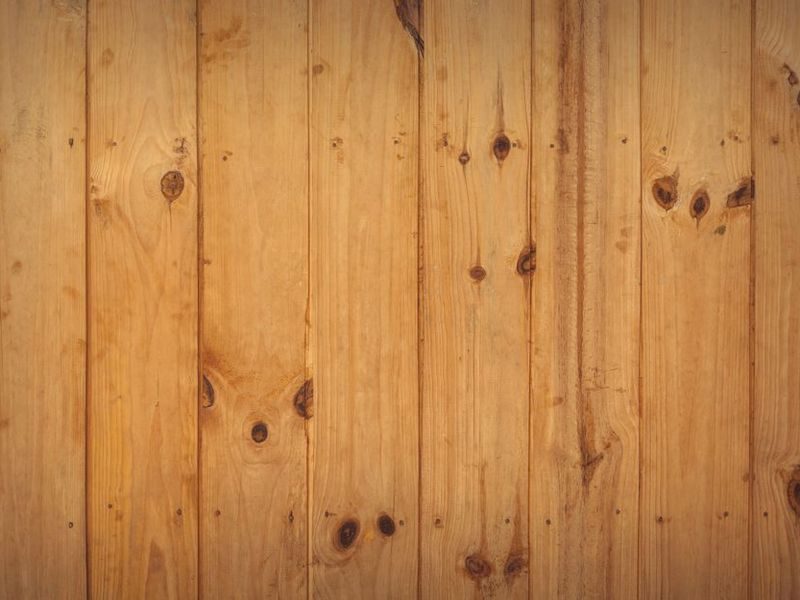
The classic knotty-pine of Western cabins and paneling — light, soft, and full of character knots. Cheap and easy to work; not durable outdoors. The knots bleed resin, so seal them before painting.
Type
Softwood (conifer)
Janka
~460 lbf — soft
Density
~28 lb/ft³
Durability
Low — interior only
Best for
Knotty paneling, shelving, trim, boxes
Technical notes
Low-density Western pine cut both as clear boards and knotty character grades. Resinous knots can bleed through paint — spot-prime with a shellac or stain-blocking primer. Stains blotchy without a conditioner.
Hardness & density: USDA FPL Wood Handbook.
Alaskan Yellow CedarColour reference · photography in progress
Alaskan Yellow Cedar
Cupressus nootkatensis
SoftwoodExteriorNaturally durable
A dense, pale-gold cedar that's far harder and more durable than red cedar — prized for decking, boatbuilding, and outdoor joinery. Fine, even grain, a faint raw-potato smell when cut, and excellent rot resistance.
Type
Softwood (cypress family)
Janka
~580 lbf
Density
~31 lb/ft³
Durability
Durable — natural rot resistance
Best for
Decking, siding, outdoor joinery, boats
Technical notes
One of the hardest, most decay-resistant North American softwoods; slow-grown with tight rings and high dimensional stability. Natural compounds resist fungi and insects. Corrodes ferrous fasteners — use stainless.
Hardness, density & durability: USDA FPL Wood Handbook.
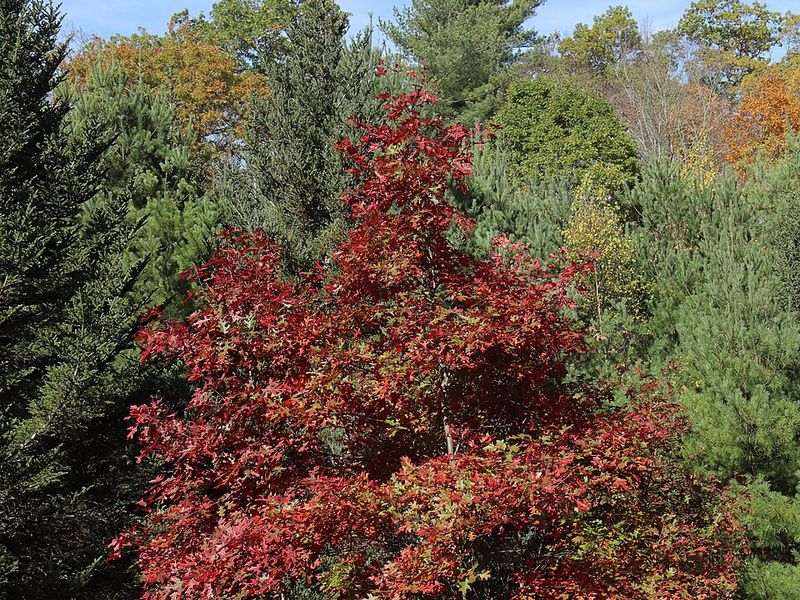
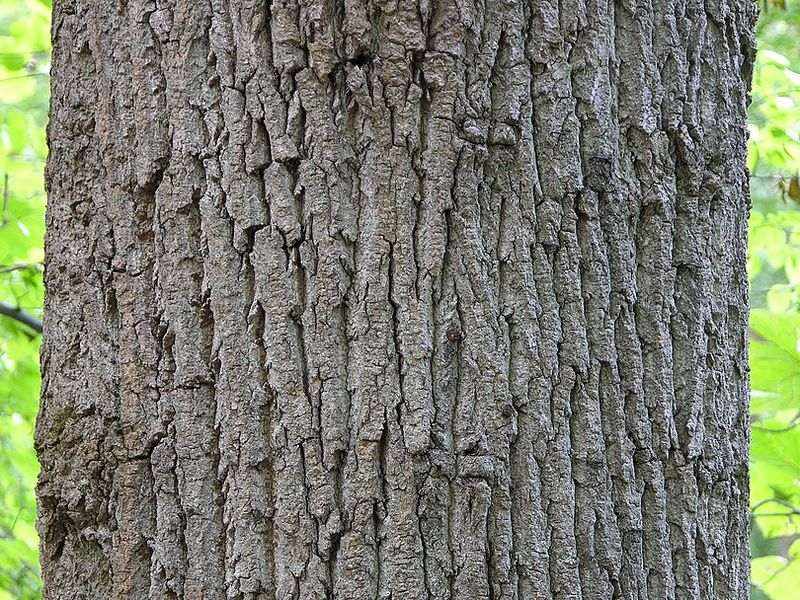
Red Oak
Quercus rubra
HardwoodFlooringFurnitureStains well
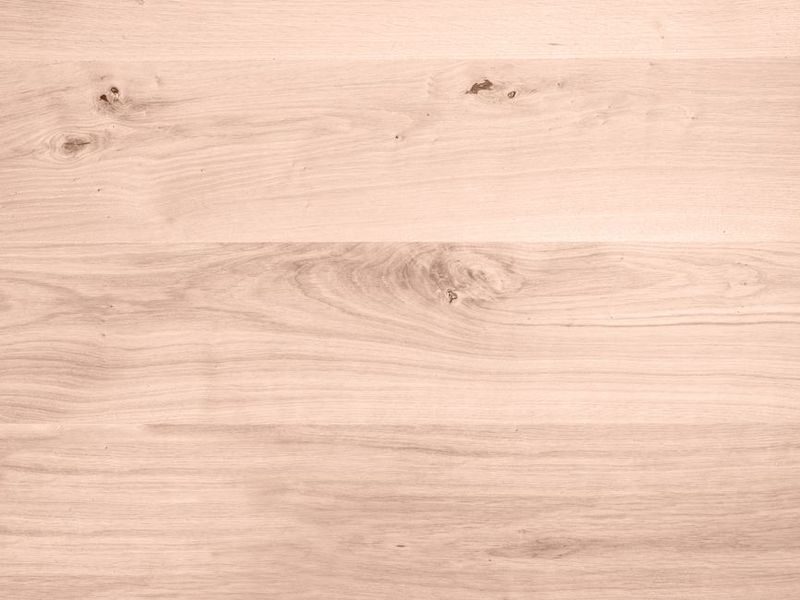
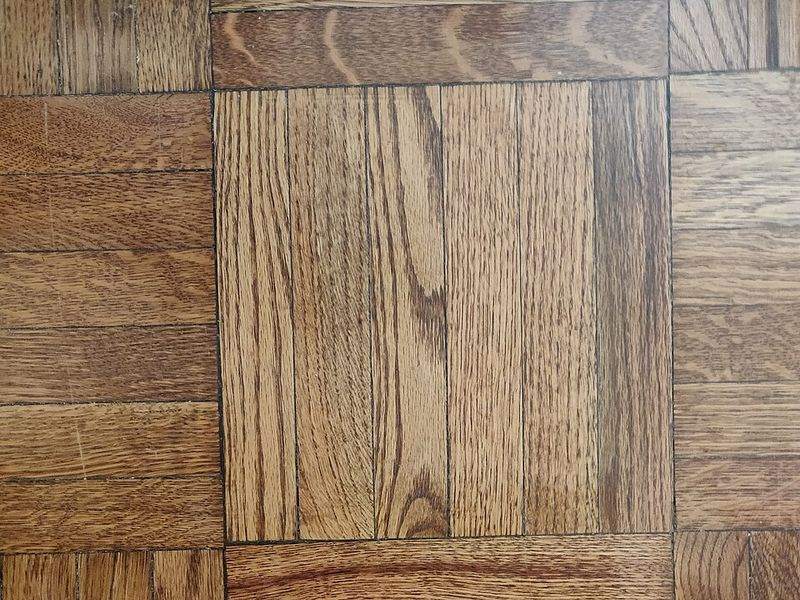
America's default hardwood floor — strong, affordable, and it takes stain like a dream. Open, coarse grain you can feel and see, with a pinkish-brown cast. Not for outdoors: water travels straight through those open pores.
Type
Hardwood (ring-porous)
Janka
~1,220 lbf
Density
~44 lb/ft³
Durability
Low — interior only
Best for
Flooring, furniture, trim, doors, cabinets
Technical notes
Ring-porous with open vessels — won't hold water out, so no exterior or cooperage use (you can blow air through end grain). The benchmark #1 domestic flooring wood; pronounced cathedral grain accepts stain evenly.
Hardness & density: USDA FPL Wood Handbook.
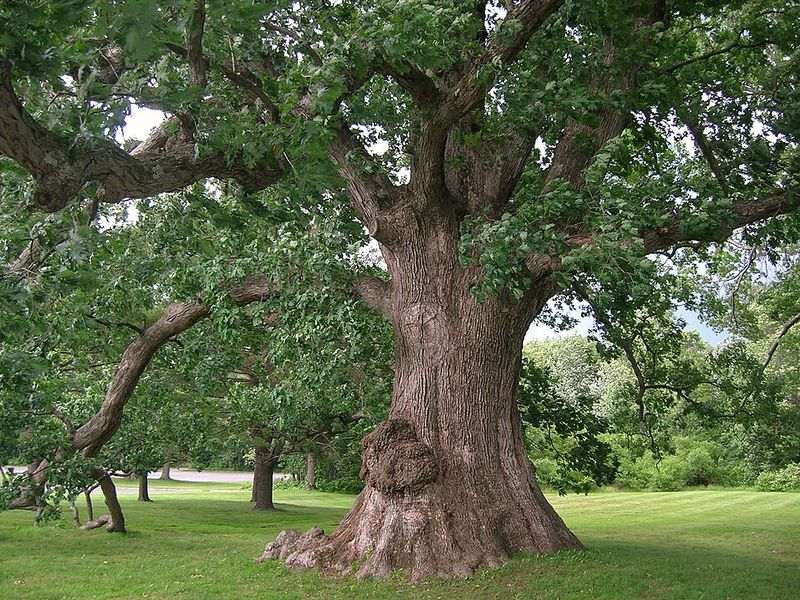
White Oak
Quercus alba
HardwoodFlooringFurnitureExterior-capable
The designer's darling — warmer and more refined than red oak, with a tighter grain. Its pores are plugged, so it naturally resists water and rot and was used for barrels and ships. Quartersawn, it reveals dramatic "ray fleck."
Type
Hardwood (ring-porous)
Janka
~1,360 lbf
Density
~47 lb/ft³
Durability
Durable — closed pores (tyloses)
Best for
Floors, furniture, barrels, exterior joinery
Technical notes
Tyloses-plugged pores make it watertight and decay-resistant. Quartersawing exposes medullary ray fleck (the Arts & Crafts look). High tannin reacts with iron to leave black stains — use non-ferrous fasteners; ammonia-fuming darkens it ("fumed oak").
Hardness, density & durability: USDA FPL Wood Handbook.
Hard Maple
Acer saccharum
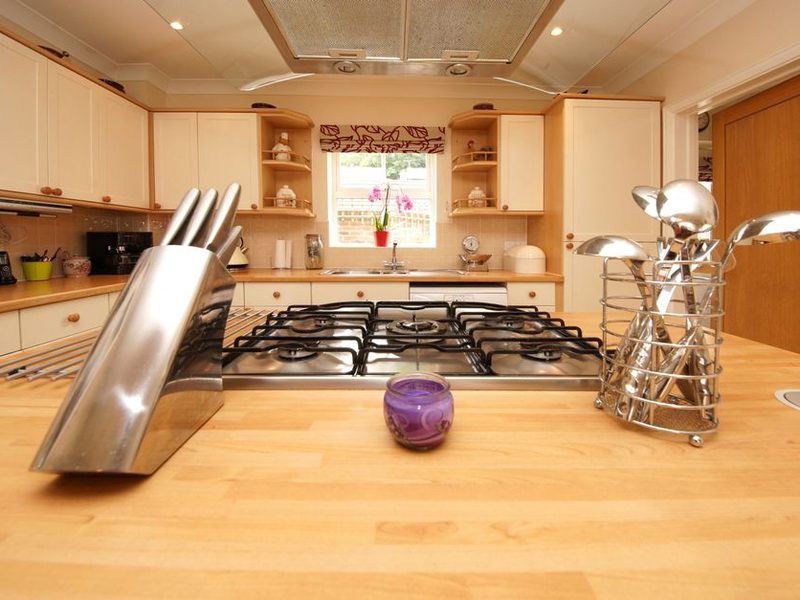
HardwoodFlooringButcher block
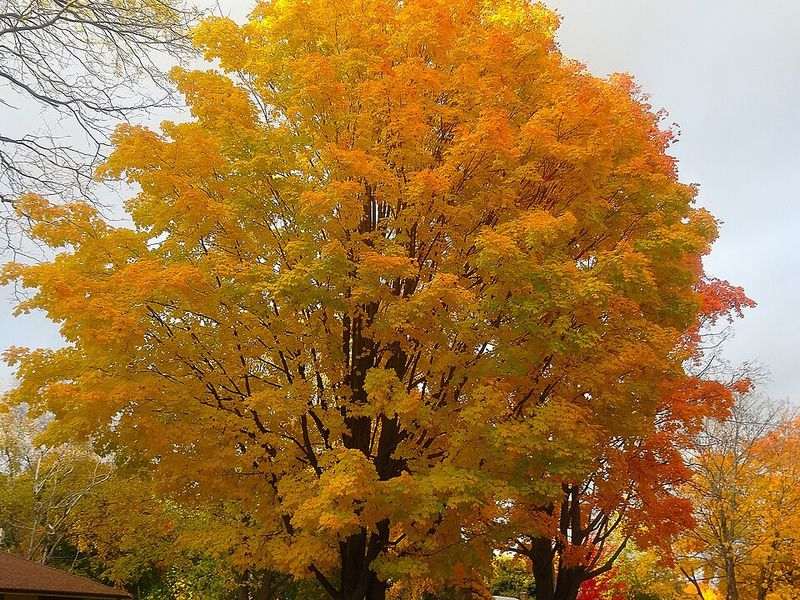
Hard, pale, and tough — the wood under gym floors and butcher blocks. Its bright near-white color is usually left natural, because it stains blotchy. Burnishes (scorches) if your tools are dull.
Type
Hardwood (diffuse-porous)
Janka
~1,450 lbf
Density
~44 lb/ft³
Durability
Low — interior only
Best for
Flooring, butcher block, cabinetry, furniture
Technical notes
Diffuse-porous, very hard and dense. Figured grades (curly, birdseye) command premiums. Pigment stains blotch — use dye or pre-conditioner. Keep tooling sharp and feed rate up to avoid burning.
Hardness & density: USDA FPL Wood Handbook.
Soft MapleColour reference · photography in progress
Soft Maple
Acer rubrum / saccharinum
HardwoodPaint-gradeValue
Red and silver maple — softer, cheaper cousins of hard maple. Machines and paints well and is common for painted cabinet doors and furniture frames, where the lower hardness doesn't matter. Often stained to imitate cherry or walnut.
Type
Hardwood (diffuse-porous)
Janka
~700–950 lbf
Density
~38 lb/ft³
Durability
Low — interior only
Best for
Painted cabinetry, furniture, moldings
Technical notes
A group of softer maples averaging well below hard maple's Janka. Grey-brown streaking is common; often painted or toned. Good value where the wear resistance of hard maple isn't required.
Hardness & density: USDA FPL Wood Handbook.
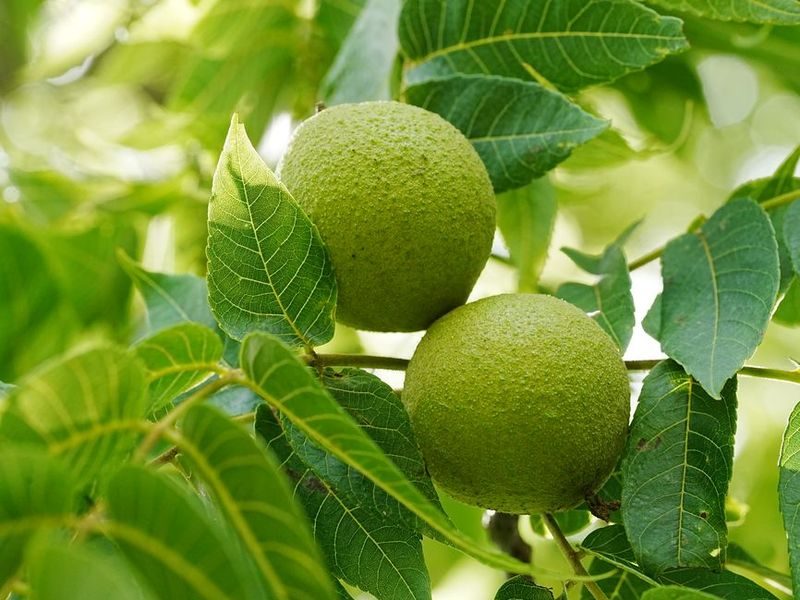
Black Walnut
Juglans nigra
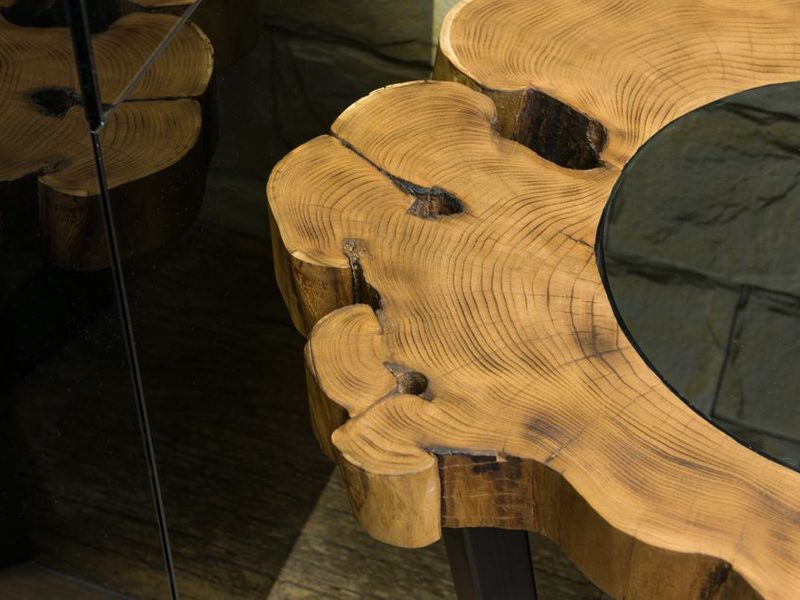
HardwoodFine furnitureLive-edgePremium
America's premium dark hardwood — rich chocolate-brown heartwood that needs no stain. Dimensionally stable and a joy to work, it's the top choice for heirloom furniture and live-edge slabs. Pricey. Oddly, it slowly lightens in sunlight rather than darkening.
Type
Hardwood (semi-ring-porous)
Janka
~1,010 lbf
Density
~38 lb/ft³
Durability
Durable (heartwood); stable
Best for
Furniture, cabinetry, millwork, live-edge
Technical notes
Low shrinkage and excellent stability make it ideal for joinery. Steamed lumber evens sap/heartwood color (and dulls the best tones). UV causes mellowing/lightening — the opposite of cherry — so rotate display pieces.
Hardness, density & durability: USDA FPL Wood Handbook.
Black Cherry
Prunus serotina
HardwoodFine furniturePatinas
The aristocrat that gets better with age — it starts a light pinkish-tan and ripens to a deep, warm reddish-brown with sunlight. Smooth, satiny, and easy to work; beloved for furniture. Most people never stain it.
Type
Hardwood (diffuse-porous)
Janka
~950 lbf
Density
~35 lb/ft³
Durability
Moderate; very stable
Best for
Furniture, cabinetry, paneling, millwork
Technical notes
Photo-reactive — it darkens significantly in the first months, so mask or pre-expose during finishing for even tone. Fine, even texture cuts cleanly; watch for gum/pitch pockets. Blotches under pigment stain.
Hardness, density & working notes: USDA FPL Wood Handbook.
Hickory / Pecan
Carya
HardwoodFlooringHardest domestic
The hardest, toughest common American hardwood — shock-resistant enough for axe handles. Floors take a beating well, with dramatic light-to-dark color streaks. Hard on blades, and a bit moody about humidity swings.
Type
Hardwood (ring-porous)
Janka
~1,820 lbf — hardest common US
Density
~51 lb/ft³
Durability
Low (decay); superb shock resistance
Best for
Flooring, tool handles, rustic furniture
Technical notes
Highest Janka of common domestics with excellent shock resistance and steam-bending. Pronounced sapwood/heartwood color variation — sort for uniformity or embrace the contrast. High movement; acclimate carefully.
Hardness, density & shock resistance: USDA FPL Wood Handbook.
White Ash
Fraxinus americana
HardwoodTough & springySupply pressured
Tough, springy, and shock-absorbing — the baseball-bat wood. It looks a lot like oak (open grain) but lighter, and is cleaner to work and bend. Note: the emerald ash borer has devastated supply, so it's increasingly scarce.
Type
Hardwood (ring-porous)
Janka
~1,320 lbf
Density
~42 lb/ft³
Durability
Low; excellent bending/shock
Best for
Flooring, furniture, tool handles, bentwood
Technical notes
Ring-porous with outstanding bending and shock properties. Supply and price are pressured by emerald ash borer infestation across the eastern US — a real sourcing and longevity caveat for specs.
Technically a hardwood, but soft and cheap — the default for paint-grade trim, crown, and drawer boxes. It cuts like butter and paints flawlessly. Its green-and-tan streaks mean almost nobody clear-coats it.
Type
Hardwood (diffuse-porous, soft)
Janka
~540 lbf
Density
~29 lb/ft³
Durability
Low — interior only
Best for
Paint-grade trim, drawer boxes, substrates
Technical notes
Low-density and dimensionally stable, with a fine even texture that machines cleanly — superb for painted millwork and as a secondary/substrate wood. Greenish streaks fade toward brown; not a stain-grade species.
Hardness & density: USDA FPL Wood Handbook.
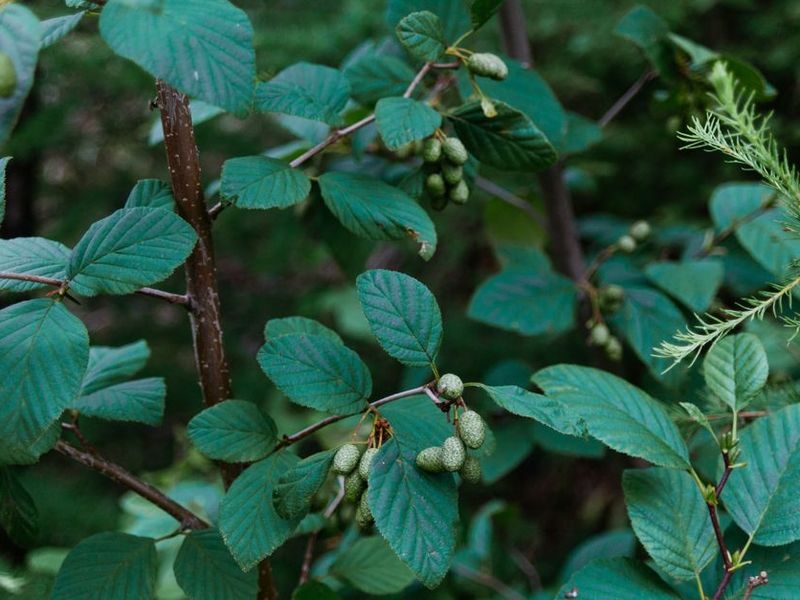
Red Alder
Alnus rubra
HardwoodCabinetryTakes stain
The Pacific Northwest's workhorse cabinet wood — soft for a hardwood, even-toned, and economical. It takes stain evenly and is often finished to imitate cherry. Knotty grades give the popular "rustic alder" look.
Type
Hardwood (diffuse-porous, soft)
Janka
~590 lbf
Density
~28 lb/ft³
Durability
Low — interior only
Best for
Cabinets, doors, furniture, millwork
Technical notes
Fine, straight grain that machines and sands cleanly and accepts stain more evenly than maple. Light tan-to-russet color. Soft, so it dents — but cost and stainability make it a cabinetry staple in the West.
Hardness & density: USDA FPL Wood Handbook.
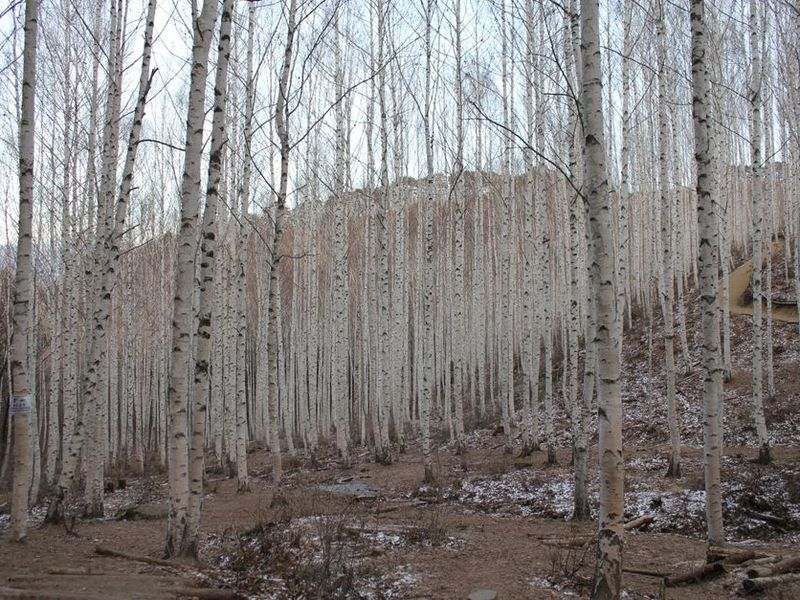
Yellow Birch
Betula alleghaniensis
HardwoodPlywood & veneerCabinetry
The hardwood behind most quality cabinet plywood — hard, pale, and fine-grained, with a smooth, even surface. Strong and affordable as veneer-core panels; like maple it can stain blotchy, so it's often clear-finished or painted.
Type
Hardwood (diffuse-porous)
Janka
~1,260 lbf
Density
~43 lb/ft³
Durability
Low — interior only
Best for
Cabinet plywood, veneer, doors, furniture
Technical notes
Hard, strong, and dimensionally fair; rotary-peels into excellent veneer (the basis of premium birch plywood). Even texture but pigment-stains unevenly — favor dye, toner, clear, or paint.
Hardness & density: USDA FPL Wood Handbook.
American BeechColour reference · photography in progress
American Beech
Fagus grandifolia
HardwoodSteam-bendsEven grain
Hard, pale, and even-grained — a workhorse for chairs, tool handles, and butcher-block, and one of the best woods for steam-bending. Odorless and food-safe, but it moves a lot with humidity and isn't durable outdoors.
Type
Hardwood (diffuse-porous)
Janka
~1,300 lbf
Density
~45 lb/ft³
Durability
Low — interior only
Best for
Chairs, flooring, butcher block, handles
Technical notes
Excellent steam-bending and turning; tasteless and odorless, so it's used for food contact and cooperage hoops. High shrinkage and movement — acclimate and finish all faces. Prone to insect attack; not for exterior use.
Hardness & density: USDA FPL Wood Handbook.
American SycamoreColour reference · photography in progress
American Sycamore
Platanus occidentalis
HardwoodQuartersawn flakeDecorative
Plain, it's an unremarkable pale-tan wood — but quartersawn it explodes into tight, freckled "lacewood" ray fleck that's stunning in cabinetry and veneer. Interlocked grain makes it tricky to plane; historically a butcher-block wood.
Interlocked grain yields dramatic ray fleck ("American lacewood") on the quartered face but tears out easily flat-sawn — quartersaw and use a high cutting angle. Once common for butcher blocks; tends to warp in drying.
Hardness & density: USDA FPL Wood Handbook.
American ElmColour reference · photography in progress
American Elm
Ulmus americana
HardwoodToughInterlocked grain
Tough and stubbornly split-resistant thanks to its interlocked grain — historically the wood for chair seats, hockey sticks, and wheel hubs. Attractive if hard to work; Dutch elm disease has made large boards scarce.
Type
Hardwood (ring-porous)
Janka
~830 lbf
Density
~35 lb/ft³
Durability
Low — interior only
Best for
Chair seats, bent parts, furniture
Technical notes
Interlocked grain resists splitting (great for hubs and seats) but complicates planing and can warp in drying. Supply is limited by Dutch elm disease. Not durable and hard to work cleanly, but distinctive and historically important.
Hardness & density: USDA FPL Wood Handbook.
SassafrasColour reference · photography in progress
Sassafras
Sassafras albidum
HardwoodAromaticNaturally durable
A lightweight, aromatic hardwood that looks like ash but is soft and rot-resistant — old-timers used it for fence posts, boats, and drawer bottoms. Spicy-smelling and warm brown; uncommon in the trade but a lovely regional wood.
Type
Hardwood (ring-porous)
Janka
~630 lbf
Density
~31 lb/ft³
Durability
Durable — rot-resistant heartwood
Best for
Furniture, boat parts, posts, millwork
Technical notes
Unusually light and decay-resistant for a hardwood, with a distinctive spicy scent. Works easily but is weak in bending. Mostly a small-scale regional specialty; resembles ash without the toughness.
Hardness, density & durability: USDA FPL Wood Handbook.
ButternutColour reference · photography in progress
Butternut
Juglans cinerea
HardwoodCarvingSoft & warm
"White walnut" — a soft, light, honey-brown cousin of black walnut with the same satiny working feel at a fraction of the weight. A favorite for carving and relaxed furniture. Scarce, thanks to butternut canker.
Type
Hardwood (semi-ring-porous)
Janka
~490 lbf
Density
~27 lb/ft³
Durability
Moderate; stable
Best for
Carving, furniture, paneling, millwork
Technical notes
Carves and turns beautifully with a lustrous surface; low density and stable. Supply is limited by butternut canker disease. Coarser and far softer than black walnut but shares its easy working character.
Hardness & density: USDA FPL Wood Handbook.
BasswoodColour reference · photography in progress
Basswood
Tilia americana
HardwoodCarvingSecondary wood
The carver's wood — buttery-soft, pale, odorless, and perfectly even, so it whittles and machines in any direction without tearing. Too soft for floors or furniture faces; used for carving, blinds, and hidden secondary parts.
Fine, uniform texture with minimal grain — the benchmark carving and whittling wood. Very stable but very soft and weak; ideal for blinds, model-making, and concealed drawer/case parts, not wear surfaces.
Hardness & density: USDA FPL Wood Handbook.
Genuine MahoganyColour reference · photography in progress
Genuine Mahogany
Swietenia macrophylla
HardwoodFine furnitureImported
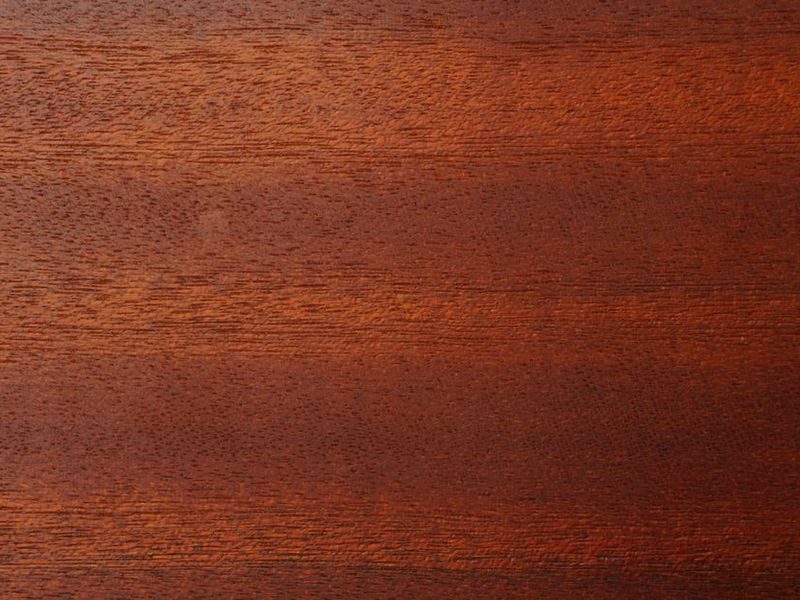
The classic reddish-brown cabinet wood — stable, straight-grained, and a dream to work, with a warm color that deepens with age. Still the benchmark for fine furniture and boatbuilding, but CITES-listed, so buy certified, legally harvested stock.
Type
Hardwood (diffuse-porous)
Janka
~900 lbf
Density
~37 lb/ft³
Durability
Durable; very stable
Best for
Furniture, cabinetry, boatbuilding, joinery
Technical notes
Exceptional dimensional stability and working properties made it the historic gold standard for furniture. Swietenia macrophylla is CITES Appendix II — specify certified legal sources. Plantation-grown material is now common; density and color vary.
An African mahogany-alternative — harder and heavier than genuine mahogany, with a warm red-brown color and a shimmering ribbon stripe when quartersawn. A staple for doors, cabinetry, and guitars; the interlocked grain can tear out.
Type
Hardwood (diffuse-porous)
Janka
~1,410 lbf
Density
~42 lb/ft³
Durability
Moderate–durable
Best for
Doors, cabinetry, furniture, instruments, veneer
Technical notes
Interlocked grain gives prized ribbon and pommele figure but tears out when planed — use a high angle or scrape. Harder and more available than genuine mahogany; a common, legal substitute. Mild cedar-like scent when worked.
Hardness, density & durability: USDA FPL Wood Handbook.
TeakColour reference · photography in progress
Teak
Tectona grandis
HardwoodMarine-gradeNaturally durable
The king of outdoor woods — naturally oily, dimensionally rock-solid, and almost impervious to rot, so it rules boat decks and patio furniture. Left bare it silvers gracefully. Expensive; the natural oils can interfere with gluing and finishing.
Type
Hardwood (ring-porous)
Janka
~1,000–1,155 lbf
Density
~41 lb/ft³
Durability
Very durable — weather & rot resistant
Best for
Boat decks, outdoor furniture, joinery
Technical notes
Silica and natural oils give outstanding weather, rot, and insect resistance (and dull tools). Wipe with solvent before gluing/finishing to counter the oils. Plantation teak is more sustainable but often lower-density than old-growth Burmese.
Hardness, density & durability: USDA FPL Wood Handbook.
IpeColour reference · photography in progress
Ipe
Handroanthus spp.
HardwoodDeckingExtremely hard
Brazilian walnut — the premium hardwood decking, so dense it sinks in water and carries a Class-A fire rating. Brutally hard and stable outdoors, lasting decades; it's heavy, pre-drilling is mandatory, and it silvers unless oiled.
Type
Hardwood (diffuse-porous)
Janka
~3,510 lbf — extreme
Density
~69 lb/ft³ — sinks in water
Durability
Very durable — decades outdoors
Best for
Decking, siding, boardwalks, outdoor structures
Technical notes
Among the hardest, densest commercial woods — pre-drill and use hidden fasteners or clips; carbide tooling only. Very high density gives natural fire resistance and longevity. Source responsibly — legality and traceability are real concerns in tropical hardwoods.
Technically a giant grass, not a tree — milled into flooring by pressing strands under heat and resin. "Strand-woven" bamboo is extremely hard and wears like a tough hardwood; it's fast-growing and renewable, but quality and formaldehyde content vary by maker.
Type
Grass (engineered)
Janka
~1,400–3,000+ lbf (strand-woven)
Density
~40–55 lb/ft³
Durability
Low — interior only
Best for
Flooring, panels, plywood, countertops
Technical notes
Strand-woven bamboo far exceeds traditional flat- or vertical-grain bamboo in hardness. Look for low-emission (CARB Phase 2 / no added urea-formaldehyde) adhesives. Dimensional movement and quality vary widely by manufacturer.
Engineered product — manufacturer data govern; hardness varies by construction.
CorkColour reference · photography in progress
Cork
Quercus suber (bark)
RenewableFlooringResilient
Harvested from the bark of the cork oak without felling the tree, so it regrows — a warm, quiet, springy floor that's easy on the feet and naturally insulating. Soft, so it dents under furniture and needs sealing, but it's comfortable and renewable.
Type
Tree bark (renewable)
Hardness
Soft, resilient
Density
~14–16 lb/ft³ — very light
Durability
Low — seal; interior
Best for
Flooring, wall tiles, underlayment, boards
Technical notes
A cellular structure of millions of air-filled cells gives thermal and acoustic insulation and cushions underfoot. Bark regrows on a ~9-year cycle — genuinely renewable. Seal against moisture and stains; compresses under point loads.
Material properties: representative ranges; verify by product.
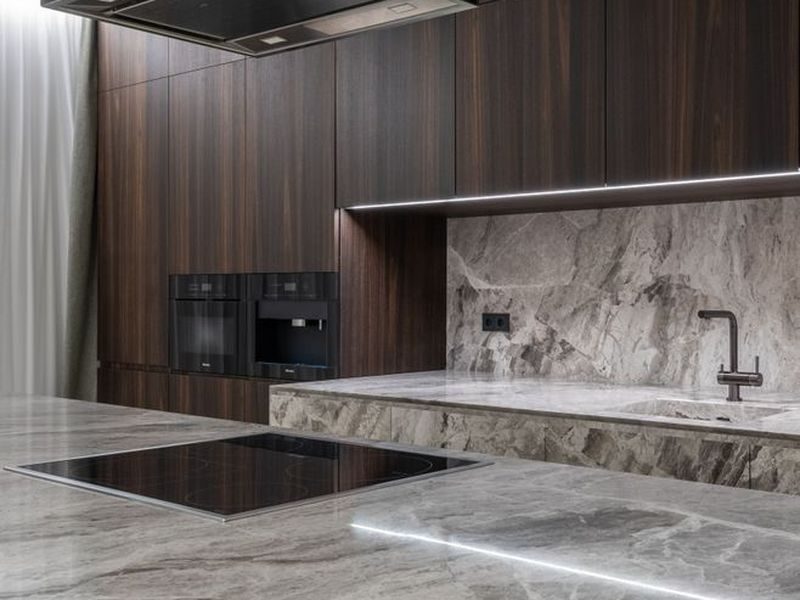
A stone's behavior comes from its chemistry. Silica-based stones (granite, quartzite, sandstone, basalt) are hard and acid-proof; calcium-based stones (marble, limestone, travertine, onyx) are softer and etch when they meet acids. Engineered surfaces trade a little authenticity for consistency and low maintenance. Hardness below is the Mohs scale (1 = talc, 10 = diamond). Most natural stone benefits from periodic sealing.
Granite
Igneous · plutonic
IgneousCountertopHeat-proof
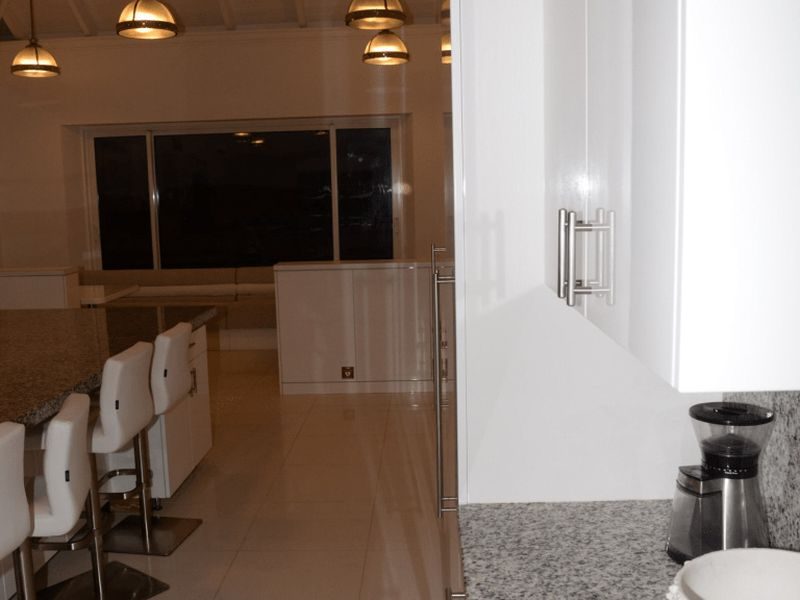
The tough, busy-grained countertop standard — it shrugs off knives and hot pans. Every slab is a unique speckle of quartz, feldspar, and mica. Seal it now and then and it's nearly bulletproof; the main "con" is that the bold movement isn't to every taste.
Type
Igneous (plutonic)
Hardness
Mohs ~6–7
Density
~165–175 lb/ft³
Acid
Resistant
Heat
Excellent
Care
Seal periodically
Technical notes
Interlocking quartz/feldspar crystals give high abrasion and heat resistance. Many commercial "granites" are technically gabbro or gneiss. Use an impregnating sealer against oil/stain; a simple water bead test tells you when to reseal.
Properties: representative ranges (Mohs scale; ASTM C615 granite dimension stone). Verify by specific stone and finish.
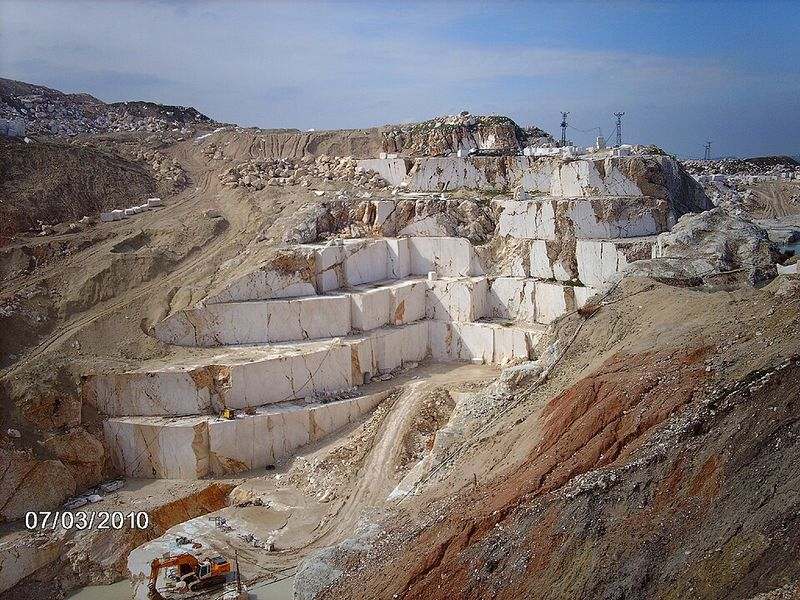
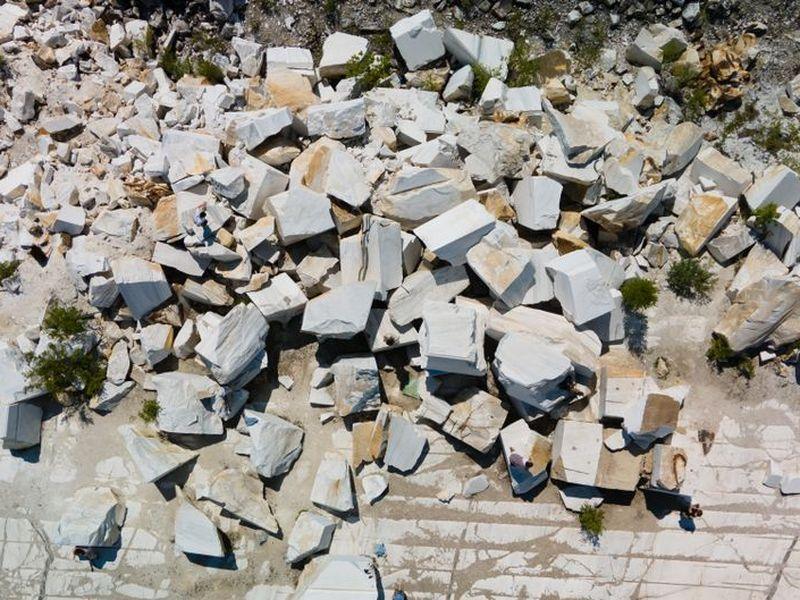
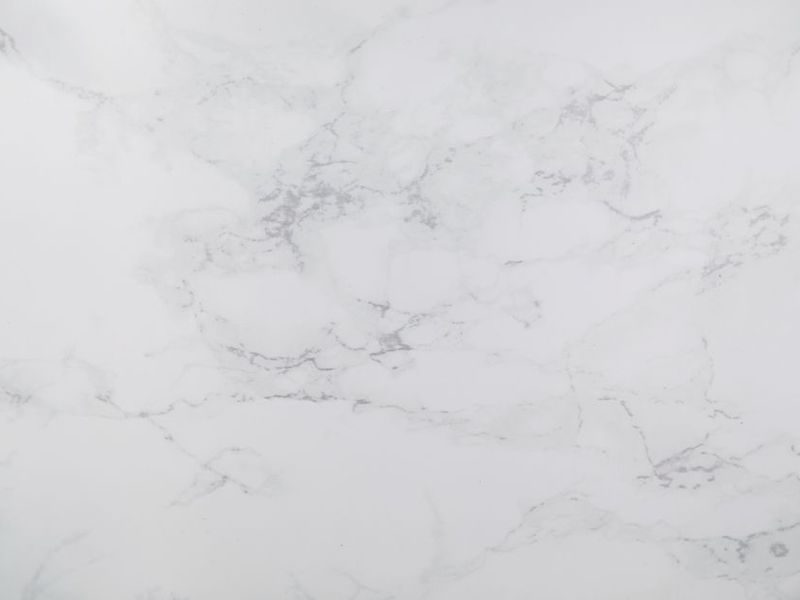
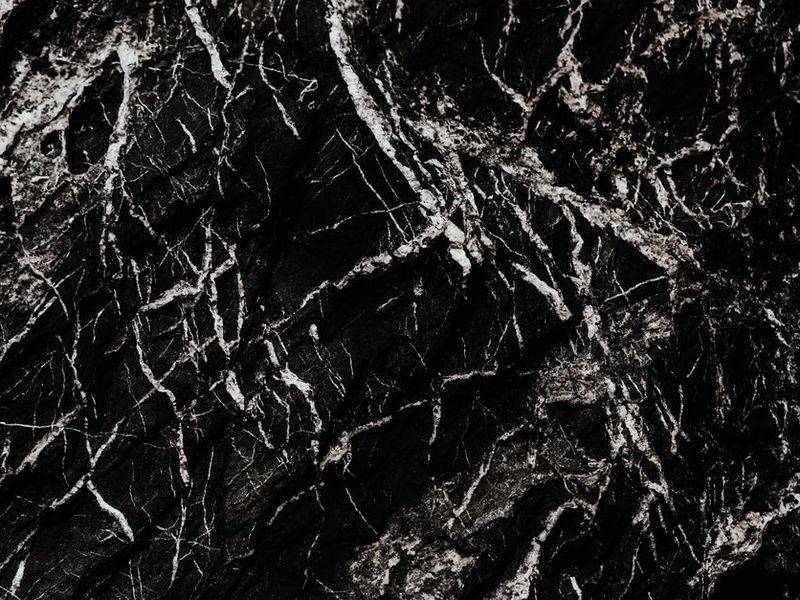
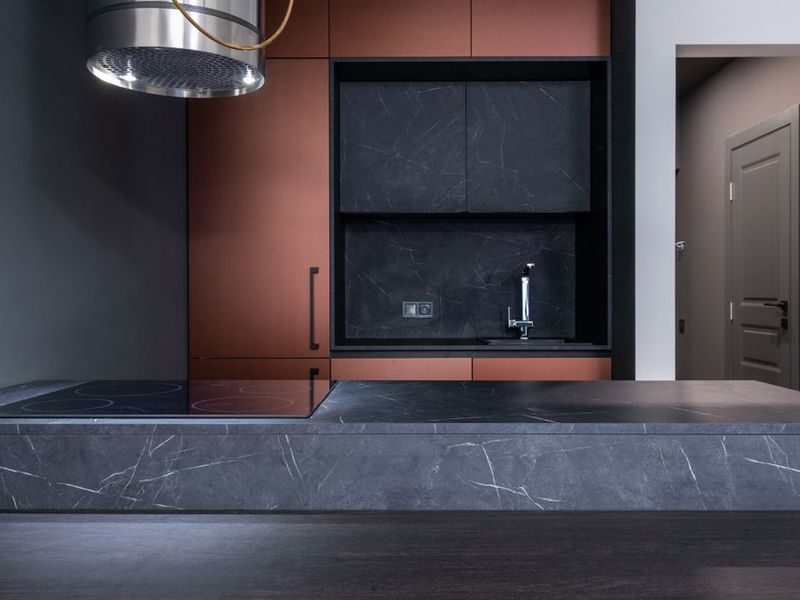
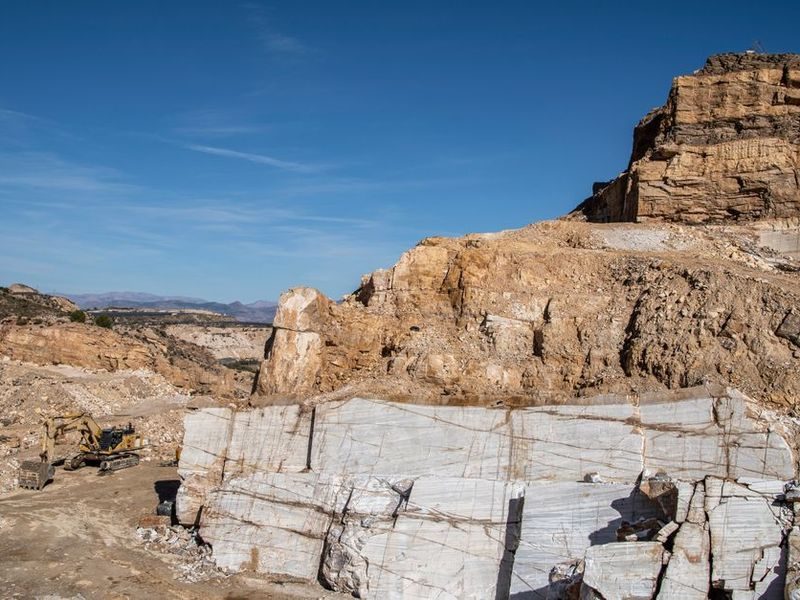
Marble
Metamorphic · recrystallized limestone
MetamorphicLuxuryEtches
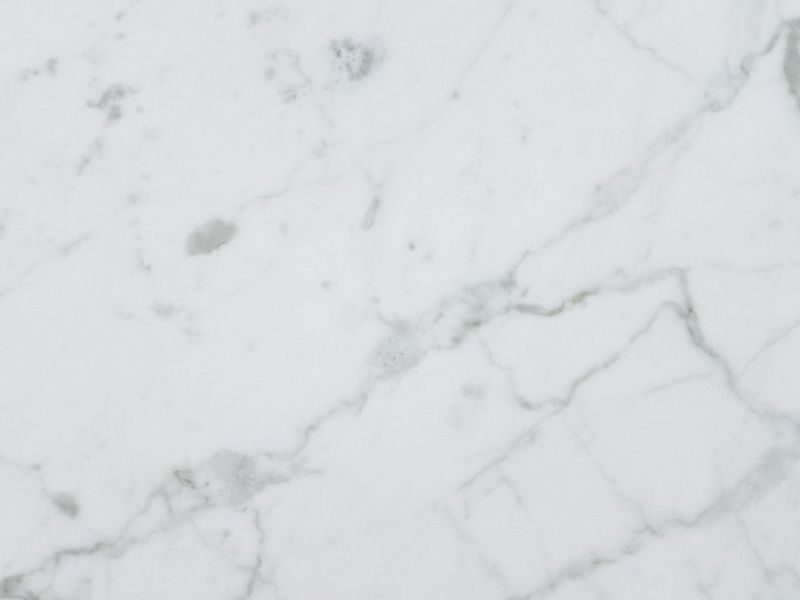
Timeless and soft — the luxury look, with a catch: it's calcium, so lemon, wine, and vinegar etch dull marks, and it scratches. Honed (matte) hides wear better than polished. For people who love a surface that patinas, not a flawless one.
Type
Metamorphic (calcite)
Hardness
Mohs ~3 — soft
Density
~160–170 lb/ft³
Acid
Sensitive — etches
Heat
Good
Care
High — seal; expect patina
Technical notes
Calcite/dolomite is acid-reactive: etching (a physical dulling) is separate from staining. A honed finish plus an impregnating sealer reduces both. Classic US sources: Vermont (Danby), Georgia, Colorado (Yule).
The hard one that looks like marble but behaves like granite — true quartzite is as hard as glass and resists acid and heat. Beware: some slabs sold as "quartzite" are really soft dolomitic marble, so test before you buy.
Type
Metamorphic (quartz)
Hardness
Mohs ~7
Density
~165 lb/ft³
Acid
Resistant (true quartzite)
Heat
Excellent
Care
Low–moderate — seal
Technical notes
Metamorphosed quartz sandstone — very hard and acid-resistant. Mislabeling is common: a quick acid (etch) or scratch test distinguishes true quartzite from soft "quartzite" that is really dolomitic marble. Some stones are porous and need sealing.
Properties: representative ranges (Mohs scale). Always field-test the specific slab.
Quartz (engineered)
Engineered stone
EngineeredCountertopNon-porous
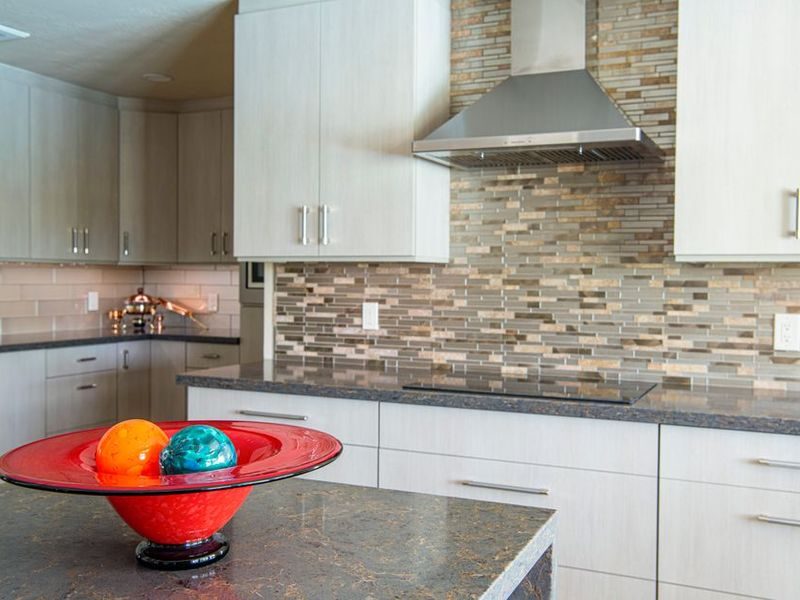
Not a natural stone — roughly 90% ground quartz bound in resin. Non-porous, so it never needs sealing and resists stains, and colors are consistent slab to slab. The trade-off: real heat scorches the resin (use trivets) and strong sun can fade it, so it's an indoor material.
Type
Engineered (quartz + resin)
Hardness
Mohs ~7 (quartz mineral)
Density
~145–150 lb/ft³
Acid
Resistant (resin can dull)
Heat
Moderate — scorches; use trivets
Care
Very low — never seal
Technical notes
Manufactured (Caesarstone/Silestone-class). The polymer binder makes it non-porous and uniform but heat- and UV-limited — not for exterior or fireplace surrounds. Note: fabricating engineered quartz generates respirable crystalline silica (a serious fabricator health hazard).
Engineered material — manufacturer data govern. Silica hazard: OSHA/NIOSH.
Limestone
Sedimentary · calcium carbonate
SedimentaryFlooringCladding
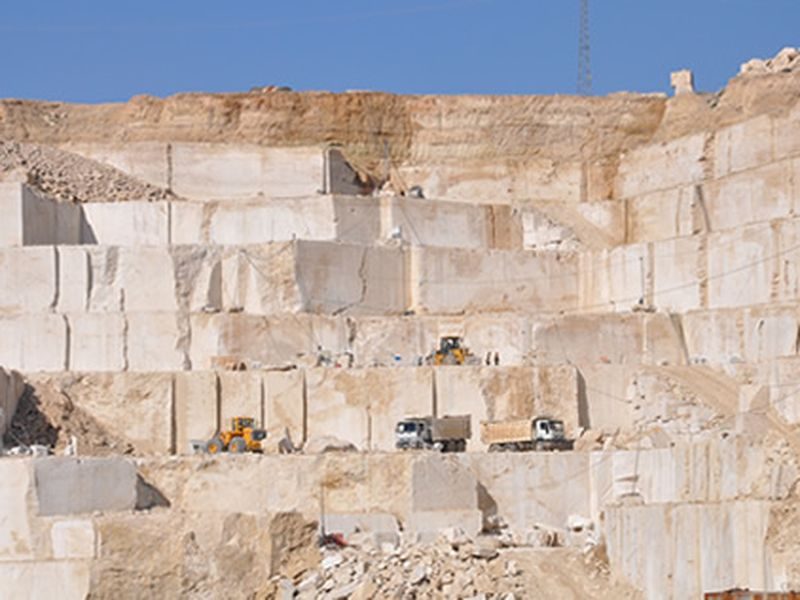
Soft, calm, and matte — a sedimentary stone full of subtle fossils and even color. Wonderful underfoot and on walls, but porous and acid-sensitive like marble, so it wants sealing and isn't ideal around lemons. Indiana limestone clads countless American buildings.
Type
Sedimentary (calcite)
Hardness
Mohs ~3 — soft
Density
~150–170 lb/ft³
Acid
Sensitive — etches
Heat
Good
Care
High — porous; seal
Technical notes
Calcium-carbonate sediment — porous and acid-reactive. Density and durability vary widely by formation. Indiana (Salem) limestone is the US benchmark dimension stone; softer varieties suit interior cladding more than wet floors.
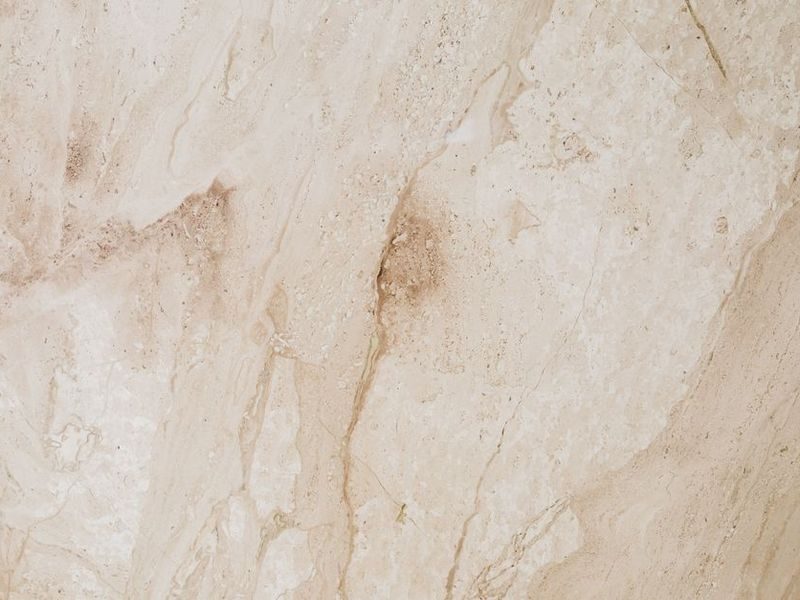
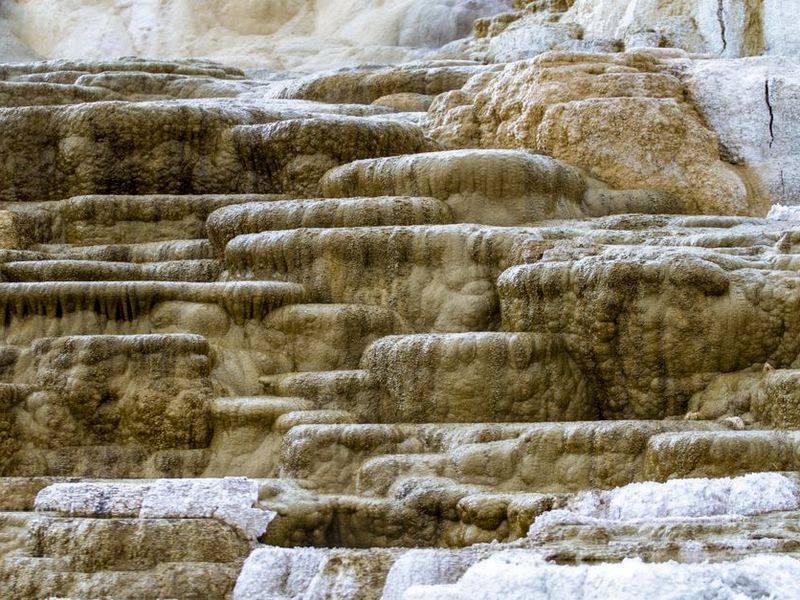
A pitted, banded cousin of limestone formed at hot springs — full of natural holes that are either filled smooth or left open for texture. Warm, old-world character; porous and acid-sensitive, so seal it and keep acids away.
Type
Sedimentary (calcite)
Hardness
Mohs ~3–4
Density
~145–155 lb/ft³
Acid
Sensitive — etches
Heat
Good
Care
High — fill voids + seal
Technical notes
Porous calcareous tufa with characteristic voids; specify filled vs. unfilled (and where it's installed, since holes can collect grime). Same acid/porosity caveats as limestone — honed finishes wear most gracefully.
Properties: representative ranges (ASTM C1527 travertine). Verify by stone and fill.
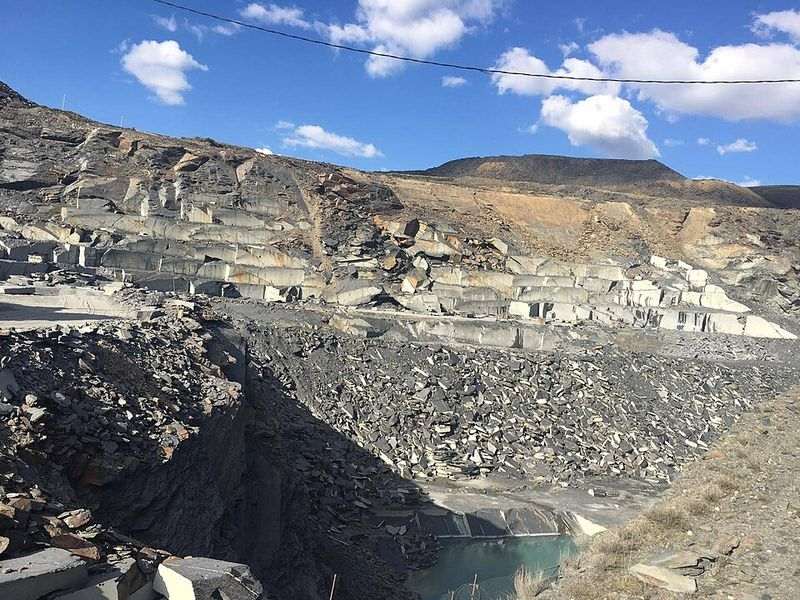
Slate
Metamorphic · from shale
MetamorphicFlooringHearth & roof
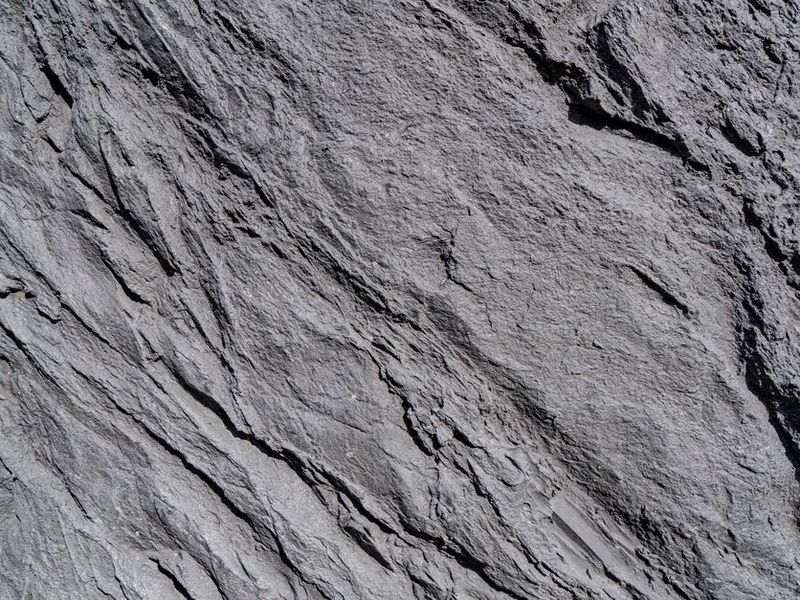
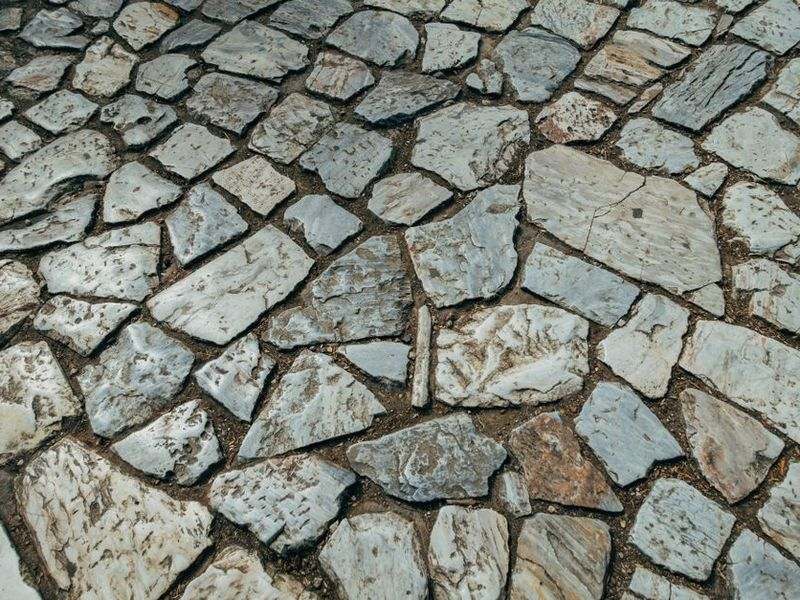
Dark, naturally textured, and tough — it splits into flat sheets, giving that riven, slightly uneven surface underfoot. Great for floors, hearths, and roofs; heat-proof and grippy. Some stones flake slightly ("spalling") over time.
Type
Metamorphic (foliated)
Hardness
Mohs ~3–5
Density
~170–180 lb/ft³
Acid
Fairly resistant
Heat
Excellent
Care
Low–moderate
Technical notes
Fine-grained foliated metamorphic that cleaves along slaty cleavage into riven tile. Vermont, New York, and Pennsylvania are classic US quarries. Some soft, iron-bearing slates oxidize and spall — specify an architectural (unfading) grade for roofing/flooring.
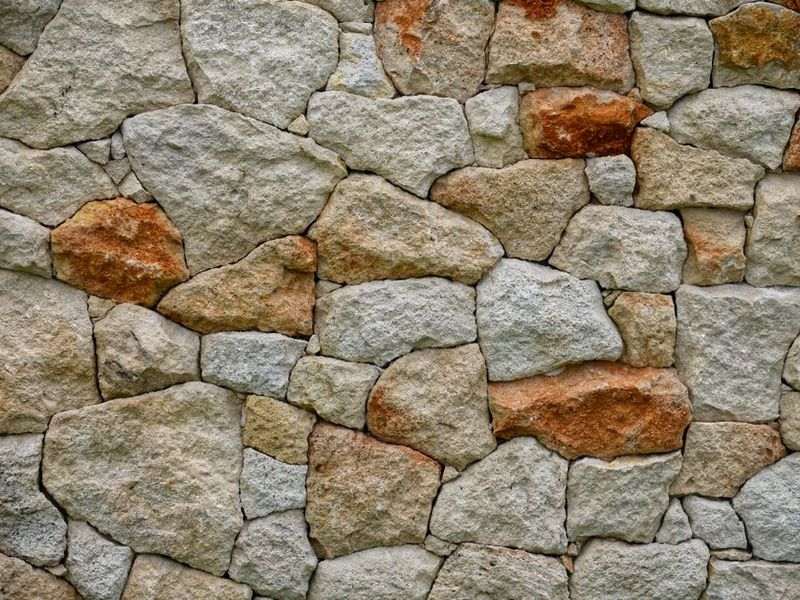
The chemistry-lab and woodstove stone — soft to the touch and easy to scratch, but completely non-porous and acid-proof. You can set a hot pot straight on it. It darkens to a deep charcoal when oiled, and light scratches sand right out. New England's classic.
Type
Metamorphic (talc-rich)
Hardness
Mohs ~1–2.5 — soft
Density
~175–190 lb/ft³ — dense
Acid
Inert — acid-proof
Heat
Excellent — won't scorch
Care
Low — oil to even the patina
Technical notes
Talc/chlorite/magnesite — chemically inert (acid-immune), thermally stable, and non-porous (never needs sealing). Soft, so it scratches, but scuffs buff or oil out. Architectural grade is harder/denser than carving grade.
Properties: representative ranges (Mohs scale). Verify by specific stone.
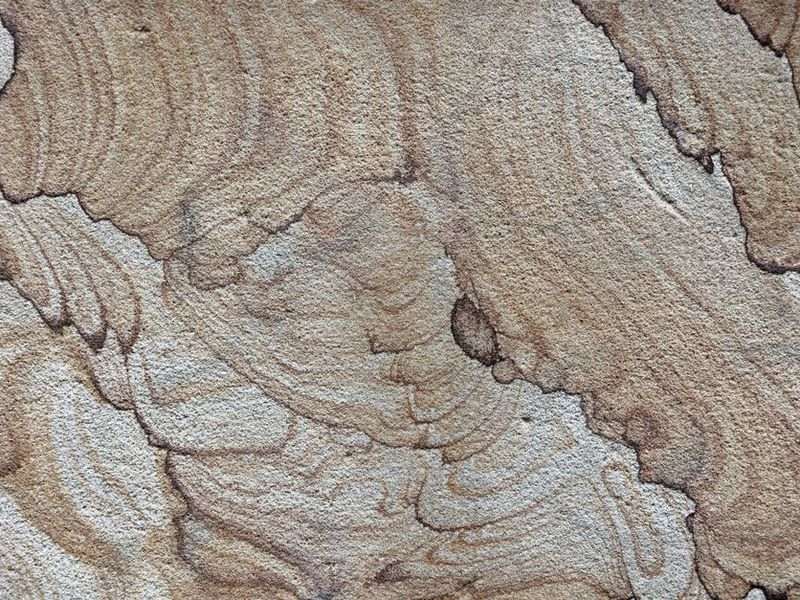
Sandstone
Sedimentary · cemented quartz
SedimentaryFlagstoneCladding
Warm, earthy, and naturally grippy — quartz grains cemented into stone. Hardness depends on the cement, so some are durable and some crumble; all are porous and want sealing. Common as flagstone, cladding, and rustic interior accents.
Type
Sedimentary (quartz grains)
Hardness
Mohs ~6–7 grains; weak cement
Density
~135–150 lb/ft³
Acid
Variable (by cement)
Heat
Good
Care
High — porous; seal
Technical notes
Durability is governed by the cement (silica > calcareous > clay). Porous, so seal against staining. Pennsylvania bluestone (a feldspathic sandstone) is the regional benchmark for treads, paving, and cladding.
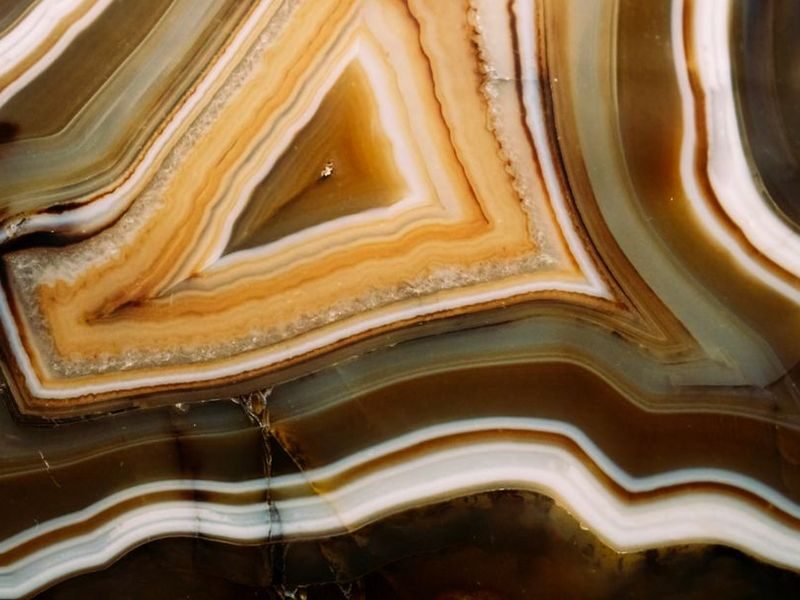
The dramatic, translucent showpiece — banded and glowing when backlit, used for feature walls, bar fronts, and vanities rather than hardworking counters. Soft, acid-sensitive, and brittle: beauty over brawn.
Type
Sedimentary (banded calcite)
Hardness
Mohs ~3 — soft
Density
~165–175 lb/ft³
Acid
Sensitive — etches
Heat
Good
Care
High — fragile, decorative use
Technical notes
Banded cryptocrystalline calcite (distinct from chalcedony "onyx"). Translucency allows backlighting for feature panels. Fragile and often resin- or mesh-backed; reserve for low-wear vertical and accent applications.
Properties: representative ranges (Mohs scale). Verify by stone.
BasaltColour reference · photography in progress
Basalt
Igneous · volcanic
IgneousCladdingFine-grained
Fine-grained volcanic rock in charcoal-to-black — dense, hard, and understated, with a uniform matte look designers love for floors, pavers, and cladding. Some basalts have small gas pits; honed finishes wear evenly and hide wear.
Type
Igneous (volcanic/extrusive)
Hardness
Mohs ~6
Density
~180–190 lb/ft³ — very dense
Acid
Resistant
Heat
Excellent
Care
Low–moderate — seal
Technical notes
Rapidly cooled lava with a fine, even crystal structure and consistent color — a calmer alternative to speckled granite. Some flows are vesicular (gas pits); specify a dense grade for counters. "Basaltina" and basalt-bluestone are common trade names.
Properties: representative ranges (Mohs scale). Verify by specific stone.
DolomiteColour reference · photography in progress
Dolomite
Sedimentary → metamorphic · dolomitic
MetamorphicCountertopIn-between
The stone in the middle — harder than marble, softer than quartzite, and very often the "super white" or "soft quartzite" you're actually being sold. It has marble's bright pale looks with a bit more scratch resistance, but it can still etch, so treat it like a durable marble.
Type
Dolomitic carbonate
Hardness
Mohs ~3.5–4
Density
~160–170 lb/ft³
Acid
Mildly sensitive — can etch
Heat
Good
Care
Moderate — seal
Technical notes
Calcium-magnesium carbonate — reacts with acid more slowly than calcite marble but still etches. Frequently mislabeled and sold as "quartzite." A dilute-acid or scratch test settles what you actually have; set spec expectations accordingly.
Properties: representative ranges (Mohs scale). Field-test the specific slab.
TerrazzoColour reference · photography in progress
Terrazzo
Composite · aggregate + binder
EngineeredFlooringComposite
Chips of marble, granite, glass, or shell set into cement or resin and ground smooth — the speckled, seamless surface of midcentury lobbies and modern floors. Endlessly customizable and extremely durable underfoot; cement-based versions can etch, resin-based ones can't take heat.
Type
Composite (aggregate + binder)
Hardness
Varies by aggregate
Density
~140–150 lb/ft³
Acid
Cement: can etch · resin: resistant
Heat
Cement: good · resin: scorches
Care
Moderate — seal cement type
Technical notes
Two families: cementitious (poured in place, breathable, can etch) and epoxy/resin (thin, seamless, non-porous but heat-limited). Aggregate choice drives look and durability. Poured terrazzo is effectively permanent; precast tiles and slabs are also available.
Composite material — mix and binder govern; verify with fabricator.
Sintered StoneColour reference · photography in progress
Sintered Stone
Ultra-compact surface
EngineeredCountertopUV & heat-proof
Mineral powders fused under extreme heat and pressure into a dense, glass-hard slab (Dekton/Neolith-class). Non-porous, UV-stable, and heat- and scratch-resistant enough for indoors or out — the one manufactured surface that's happy in full sun. It's brittle at edges and can chip on impact.
Type
Engineered (sintered mineral)
Hardness
Mohs ~6–7
Density
~150–160 lb/ft³
Acid
Highly resistant
Heat
Excellent — no scorch
Care
Very low — never seal
Technical notes
Full-body porcelain / sintered-particle technology — unlike resin-based quartz there's no polymer, so it resists heat and UV and suits exterior use. Hard but brittle: vulnerable to point-impact chipping at edges and requires specialized fabrication.
Engineered material — manufacturer data govern.
Cast ConcreteColour reference · photography in progress
Cast Concrete
Formed cementitious
EngineeredCountertopCustom-cast
Poured and cast to any shape, then ground and sealed — the made-to-order surface for industrial and modern kitchens, with integral sinks and drainboards possible. Warm and tactile, but porous: it needs sealing, stains and etches if neglected, and fine hairline cracks are part of its character.
Type
Cementitious (cast)
Hardness
Mohs ~5–7 (cured)
Density
~140–150 lb/ft³
Acid
Sensitive — etches
Heat
Good — some crazing
Care
High — seal + wax
Technical notes
Made to order — including GFRC (glass-fiber-reinforced concrete) for lighter, thinner tops. Porous and alkaline: seal well and expect a living patina, minor crazing, and possible hairline cracks. Color is pigmented through or applied; every piece is unique.
Fabricated material — mix, reinforcement, and sealer govern performance.
03
Common questions
Which is harder, red oak or white oak?
White oak is slightly harder (Janka ~1,360 vs ~1,220), but the real difference is its plugged pores — they make white oak water- and rot-resistant (good outdoors and for barrels), while red oak's open pores soak up water.
What's the best wood for outdoor use?
Naturally durable species — western red cedar, redwood, bald cypress, white oak, and imports like teak and ipe — resist rot without treatment. For ground contact, pressure-treated southern yellow pine is the standard.
Does marble really stain and etch?
Yes — it's soft (Mohs ~3) and acid-reactive, so lemon, wine, and vinegar leave dull etch marks. A honed finish and an impregnating sealer help, but marble is a surface that patinas rather than staying flawless.
Quartz vs quartzite — what's the difference?
Quartzite is natural stone (very hard, heat- and acid-resistant). Engineered quartz is manufactured — quartz ground into resin — non-porous and seal-free, but the resin can scorch and fade, so it stays indoors.
Which countertop handles heat best?
Soapstone, granite, basalt, and sintered stone take a hot pan directly; quartzite is excellent too. Engineered quartz is the weak point — its resin scorches, so use trivets. Marble and limestone tolerate heat but etch from spills.
What is the hardest wood on this page?
Ipe (Brazilian walnut) at a Janka around 3,510 lbf — so dense it sinks in water. Among common domestics, hickory is the hardest at about 1,820 lbf; strand-woven bamboo can rival them but is an engineered product.